

















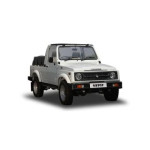












If you are asking what is a 4x4 vehicle, the simple answer is this: it is a vehicle that can send power to all four wheels for better grip, traction, and control on rough ground. In India, that matters on broken village roads, rocky hill tracks, sand, slush, river crossings, and monsoon travel. A proper 4x4 is usually more trail-ready than a normal road SUV, especially when it has low-range gearing or a more rugged drivetrain setup.
Because standard vehicles are designed to balance comfort, affordability, emissions, and mass-market use, people modify 4x4s. An off-road vehicle that has been upgraded is more concentrated. Better ground clearance, more robust underbody protection, safer recovery choices, and increased confidence on challenging terrain are all possible. All-terrain tyres, a light lift kit, skid plates, recovery points, and necessary off-road vehicle attachments like straps and shackles are the best places for beginners to start.
It's also important to understand the 4x4 vs AWD difference. AWD operates automatically and is suitable for light, loose surfaces, rain, and daily road use. Harder off-road tasks, thick mud, steep climbs, and sluggish tricky sections are typically better suited for 4x4 vehicles. For this reason, a real 4x4 platform is typically the first step in serious off-road projects.
Quick Comparison: 4x4 vs AWD
Essential 4x4 Vehicle Modifications for Beginners
- Off-Road Tyres
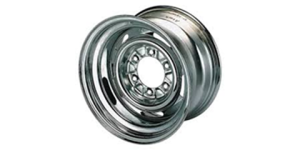
Tyres are usually the first upgrade because they change the way the vehicle grips the ground. When people start exploring off road tyres, they quickly realize that not every aggressive-looking tyre is the right first step. A good all-terrain tyre is the best beginner choice for mixed use. It gives more grip than a highway tyre without becoming too noisy or harsh for daily driving. Mud-terrain tyres look aggressive and work better in deep slush, but they are not always the smartest first purchase for someone who still spends most of their time on the road. Indian guidance on legal tyre changes also matters - stay within safe load, speed, and fitment limits rather than chasing a giant size just for looks.
- Suspension Lift Kits
Lift kits are among the most popular off-road vehicle upgrades in India because they improve approach angles and clearance. Many enthusiasts combine a lift with a 4x4 suspension kit to improve both ride height and suspension performance for rough terrain. However, larger isn't always preferable. For a beginner, a gentle lift of 1.5 to 2 inches is typically sufficient. It enhances trailability and stance without significantly altering road behaviour. From low-cost 2-inch Thar kits to more sophisticated luxury lift configurations, the Indian aftermarket offers a wide range of prices. Additionally, keep in mind that suspension modifications that drastically affect ground clearance or fundamental vehicle behaviour may cause problems with insurance and the law.
- Snorkel Installation
One of the most misinterpreted accessories is a snorkel. A functional snorkel serves a practical purpose, but many individuals purchase one for fashion. Raising the air intake can be beneficial during controlled water crossings and in dusty environments. Nevertheless, using a snorkel does not give you permission to drive carelessly over deep water. Electrical protection, door seals, breather extensions, water depth, and current are still important. For the majority of novices, using a snorkel only makes sense when they are travelling in damp or dusty off-road environments.
- Off-Road Bumpers
A strong bumper is not just styling. A proper off-road bumper can improve approach angle, add recovery points, protect the front end, and support a winch. Some Indian products also include radiator protection or are built specifically as winch-compatible units. But this is also where beginners make a costly mistake: they buy heavy bumpers without thinking about weight, suspension load, airflow, or legality. Choose a bumper only if it serves a clear purpose and is designed for your exact platform.
- Winch Installation
When you start driving in remote areas, a winch is one of the most practical 4x4 off-road accessories. If the arrangement is right, it aids in both safer assisted recovery and self-recovery. The winch should be installed on a suitable plate or bumper, suited to the weight of the vehicle, and operated using the appropriate cable, hook, strap, gloves, and technique. Mount strength is just as important as the winch itself because Indian listings show 10,000 and 13,000 lb winches being marketed for 4x4 recovery use. Although a winch is great equipment, most novices should prioritise tyres, recovery spots, and basic underbody protection.
- Differential Guards
Because it lies low, your differential can withstand impacts from pebbles, ruts, and uneven terrain. Compared to drivetrain damage, a differential guard offers more affordable insurance. This is one of the most practical changes, although it's not the most eye-catching. Many novices prioritise lighting and aesthetic panels over the components that genuinely shield the car from damage. Guards are a great early-stage addition if your car frequently encounters trails.
- Skid Plates
Skid plates protect the underbody, radiator area, sump, and other vulnerable components. They are one of the best beginner modifications because they reduce damage risk without making the vehicle harder to live with every day. Current Indian listings show stock-bumper-compatible steel skid plates, aluminium options, and platform-specific designs for Thar, Jimny, Thar Roxx, and Isuzu builds. This is exactly the kind of practical upgrade that delivers more value than a purely cosmetic add-on.

Must-Have Recovery Equipment for 4x4 Off-Road Adventures
- Recovery Straps and Shackles
If you buy only one set of recovery gear first, start here. A rated recovery strap and good shackles are basic off road safety equipment. Swastik Fabs’ own beginner guidance puts tow straps, shackles, rear tow hooks, and recovery points right at the start. That makes sense because even a simple bog-down in mud can end the day if your vehicle has no safe recovery attachment.
- Traction Boards
Traction boards are useful because they often solve the problem before a winch or tow recovery is needed. They help on sand, loose mud, and slush, and they are especially handy for solo or small-group trips. For a beginner build, traction boards are easier to carry and easier to use than a more advanced recovery setup.
- Hi-Lift Jack
A Hi-Lift jack can be useful, but it is not beginner-friendly unless you know where to jack the vehicle and how to control load movement safely. Even experienced off-roaders treat it with caution. For many casual users, a more stable bottle jack is safer for routine lifting, while a Hi-Lift becomes useful when the vehicle has the right mounting points, sliders, and recovery training.
- Portable Air Compressor
One of the best-value additions to any beginner's equipment is a compressor. Reduced tyre pressure might increase grip off-road, but before you go back on the highway, you need a dependable method to replenish your tyres. For this reason, lists of novice recovery equipment frequently include air compressors. You already have a far more intelligent trail setup when you add a tyre pressure gauge and repair kit.
Best 4x4 Vehicles for Modifications in India
The best 4x4 vehicles in India for modifications are usually the ones with strong aftermarket support, proven trail use, and easy parts access.
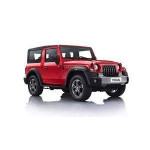
Mahindra Thar remains one of the most modification-friendly platforms in India. It has strong aftermarket support, a wide range of lift/winch/bumper options, and huge enthusiast appeal.
Maruti Suzuki Jimny is a great beginner-friendly platform for lighter builds. It has lower weight, simple proportions, and a growing market for sliders, skid plates, roof carriers, and suspension parts. ([Futurz4x4][16])
Force Gurkha is respected for rugged off-road focus, factory snorkel-style utility, and mechanical trail strength. It suits buyers who care more about capability than comfort-led urban polish.
Mahindra Scorpio N 4x4 gives a broader family-SUV feel while still offering serious off-road potential, which makes it attractive for dual-use buyers.
Toyota Hilux and Fortuner are strong choices for those who want touring, load-carrying, and premium off-road utility. Indian stores now show wide accessory support for both platforms. ([Futurz4x4][16])
Isuzu V-Cross and older Gypsy builds also remain relevant because the aftermarket still supports them with bumpers, guards, winch mounts, and trail hardware. ([Swastik Fabs][17])
Cost of 4x4 Vehicle Modifications in India
Below is a practical beginner-level pricing view for India. Costs vary by vehicle, brand, material, installation, and whether you pick entry-level or premium imported gear.
These ranges are based on current Indian examples such as Thar and Jimny lift kit listings, snorkels, skid plates, sliders, winches, Swastik Fabs bumper pricing, and JeepClub build examples. A smart beginner build can stay in the ₹50,000 to ₹2,00,000 range if you focus on function first instead of copying an extreme show build.
Are 4x4 Vehicle Modifications Legal in India?
This is the question most beginners skip until the police, insurer, or RTO gets involved. Under Section 52 of the Motor Vehicles Act, an owner should not alter a vehicle in a way that makes the registration particulars differ from what the manufacturer originally specified. The law also says the owner must report certain alterations, and the India Code PDF text specifically notes reporting within fourteen days in relevant cases.
In practical terms, Indian guidance generally treats some changes as lower-risk if they stay within safe and compliant limits, such as tyres within manufacturer limits, some suspension upgrades, or cosmetic additions that do not compromise safety. But dark tints below permitted visibility, loud exhausts, non-compliant lights, oversized wheels, and major structural changes are common danger zones. CMVR Rule 100 covers safety glass, and Rule 105 governs lamps; practical summaries also warn against loud horns, illegal tints, and non-compliant lighting.
So, are car modifications legal in India? Some are, some are not, and many sit in a grey area unless properly approved. The safe rule is simple: check local RTO requirements before installing anything that changes structure, height, lighting, engine, or registration details.
How to Choose the Right 4x4 Accessories Supplier in India
If you are searching off road accessories store near me, do not choose by distance alone. Choose based on fitment knowledge. Good suppliers understand that many parts are vehicle-specific because bumper shape, chassis points, and mounting geometry change from one platform to another. Even Swastik Fabs’ own guide stresses that off-road parts are often vehicle-specific and should be matched correctly before ordering.
Use this checklist before buying:
Ask if the part is designed for your exact vehicle and model year.
Ask whether installation is bolt-on or needs cutting.
Ask about finish, rust protection, and material thickness.
Ask whether recovery points and winch mounts are rated and tested.
Ask about warranty and after-fit support.
Ask whether the seller understands legal and practical road-use limits in India.
Indian 4x4 stores now commonly support platforms like Thar, Jimny, Hilux, Fortuner, Scorpio N, Isuzu, Gypsy, and Thar Roxx, which is useful because stronger platform coverage usually means better product maturity and fitment experience.

Common Mistakes Beginners Make When Modifying a 4x4 Vehicle
Purchasing for appearance rather than functionality is the first error. Even though a bigger tyre or a flashy light setup might look excellent online, the money is usually better spent on tyres, protection, and recovery equipment first.
Overlifting the car too soon is the second error. Legality, handling, and alignment may all be impacted by a significant raise. For Indian cars that are used on a daily basis, a light, well-matched setup is typically preferable.
Ignoring weight is the third error. Winches, roof gear, and heavy bumpers all increase the load. This alters the behaviour of the suspension and, if the build is improperly planned, may make the car feel worse.
The fourth mistake is skipping recovery training. Owning a strap, jack, or winch is not the same as knowing how to use it safely.
The fifth mistake is not checking legality. Many beginners ask questions like are car modifications legal in India only after fitting dark tints, loud exhausts, or non-compliant lighting. That is backwards. Check first, build second.
Conclusion
In India, a basic 4x4 build doesn't have to be very complicated. It must be intelligent. Learn what a 4x4 vehicle is first, then focus on practical applications. More often than not, protective tyres, recovery areas, and basic off-road safety equipment are more beneficial than aesthetics. Then, only add a winch, lift, bumper, or snorkel if your driving truly requires it. The best builds are easy to live with, well-fitting, safe, and compliant. That's how you transform a standard 4x4 from a costly hassle into a dependable adventure vehicle.
If you want to plan your first build properly, start with a use-case list, not a shopping cart. Swastik Fabs already covers platform-specific 4x4 off road accessories across vehicles like Thar, Jimny, Gypsy, Hilux, Fortuner, Scorpio N, and Isuzu-based builds. So instead of buying random parts, shortlist the upgrades you truly need and ask for vehicle-specific fitment advice first.
Frequently Asked Questions About 4x4 Vehicle Modifications
1) What are the essential modifications for a beginner 4x4?
Start with all-terrain tyres, underbody protection, recovery points, a strap and shackles, traction boards, and a compressor. These upgrades improve real usability before you spend on aggressive styling.
2) What recovery equipment is essential for 4x4 off-road adventures?
A rated recovery strap, shackles, traction boards, a safe jack, tyre repair kit, and a portable air compressor are the core basics. A winch is useful later, once the vehicle has proper mounting and you know how to use it.
3) Which 4x4 vehicles are best for modifications in India?
Popular choices include Mahindra Thar, Maruti Suzuki Jimny, Force Gurkha, Scorpio N 4x4, Toyota Hilux, Fortuner, Isuzu V-Cross, and older Gypsy builds with aftermarket support.
4) How much does a basic 4x4 modification cost in India?
A simple beginner setup can start around ₹50,000 and go beyond ₹2,00,000 depending on tyres, lift, protection, and recovery gear. Extreme builds can go much higher.
5) Which modifications require RTO approval in India?
Any change that affects registration particulars, structure, engine specifications, or regulated safety items should be checked with the local RTO before fitment.
6) How do I choose an off road accessories store near me?
Look for fitment quality, product compatibility, installation skill, material quality, warranty, and post-sale support. The nearest seller is not always the right seller.
7) Which is better for beginners: cosmetic mods or functional mods?
Functional mods. Protection, traction, and recovery should come before cosmetic lights, wraps, or purely visual parts. That gives better value, safety, and trail confidence.
If you are asking what is a 4x4 vehicle, the simple answer is this: it is a vehicle that can send power to all four wheels for better grip, traction, and control on rough ground. In India, that matters on broken village roads, rocky hill tracks, sand, slush, river crossings, and monsoon travel. A proper 4x4 is usually more trail-ready than a normal road SUV, especially when it has low-range gearing or a more rugged drivetrain setup.
Because standard vehicles are designed to balance comfort, affordability, emissions, and mass-market use, people modify 4x4s. An off-road vehicle that has been upgraded is more concentrated. Better ground clearance, more robust underbody protection, safer recovery choices, and increased confidence on challenging terrain are all possible. All-terrain tyres, a light lift kit, skid plates, recovery points, and necessary off-road vehicle attachments like straps and shackles are the best places for beginners to start.
It's also important to understand the 4x4 vs AWD difference. AWD operates automatically and is suitable for light, loose surfaces, rain, and daily road use. Harder off-road tasks, thick mud, steep climbs, and sluggish tricky sections are typically better suited for 4x4 vehicles. For this reason, a real 4x4 platform is typically the first step in serious off-road projects.
Quick Comparison: 4x4 vs AWD
Essential 4x4 Vehicle Modifications for Beginners
- Off-Road Tyres
Tyres are usually the first upgrade because they change the way the vehicle grips the ground. When people start exploring off road tyres, they quickly realize that not every aggressive-looking tyre is the right first step. A good all-terrain tyre is the best beginner choice for mixed use. It gives more grip than a highway tyre without becoming too noisy or harsh for daily driving. Mud-terrain tyres look aggressive and work better in deep slush, but they are not always the smartest first purchase for someone who still spends most of their time on the road. Indian guidance on legal tyre changes also matters - stay within safe load, speed, and fitment limits rather than chasing a giant size just for looks.
- Suspension Lift Kits
Lift kits are among the most popular off-road vehicle upgrades in India because they improve approach angles and clearance. Many enthusiasts combine a lift with a 4x4 suspension kit to improve both ride height and suspension performance for rough terrain. However, larger isn't always preferable. For a beginner, a gentle lift of 1.5 to 2 inches is typically sufficient. It enhances trailability and stance without significantly altering road behaviour. From low-cost 2-inch Thar kits to more sophisticated luxury lift configurations, the Indian aftermarket offers a wide range of prices. Additionally, keep in mind that suspension modifications that drastically affect ground clearance or fundamental vehicle behaviour may cause problems with insurance and the law.
- Snorkel Installation
One of the most misinterpreted accessories is a snorkel. A functional snorkel serves a practical purpose, but many individuals purchase one for fashion. Raising the air intake can be beneficial during controlled water crossings and in dusty environments. Nevertheless, using a snorkel does not give you permission to drive carelessly over deep water. Electrical protection, door seals, breather extensions, water depth, and current are still important. For the majority of novices, using a snorkel only makes sense when they are travelling in damp or dusty off-road environments.
- Off-Road Bumpers
A strong bumper is not just styling. A proper off-road bumper can improve approach angle, add recovery points, protect the front end, and support a winch. Some Indian products also include radiator protection or are built specifically as winch-compatible units. But this is also where beginners make a costly mistake: they buy heavy bumpers without thinking about weight, suspension load, airflow, or legality. Choose a bumper only if it serves a clear purpose and is designed for your exact platform.
- Winch Installation
When you start driving in remote areas, a winch is one of the most practical 4x4 off-road accessories. If the arrangement is right, it aids in both safer assisted recovery and self-recovery. The winch should be installed on a suitable plate or bumper, suited to the weight of the vehicle, and operated using the appropriate cable, hook, strap, gloves, and technique. Mount strength is just as important as the winch itself because Indian listings show 10,000 and 13,000 lb winches being marketed for 4x4 recovery use. Although a winch is great equipment, most novices should prioritise tyres, recovery spots, and basic underbody protection.
- Differential Guards
Because it lies low, your differential can withstand impacts from pebbles, ruts, and uneven terrain. Compared to drivetrain damage, a differential guard offers more affordable insurance. This is one of the most practical changes, although it's not the most eye-catching. Many novices prioritise lighting and aesthetic panels over the components that genuinely shield the car from damage. Guards are a great early-stage addition if your car frequently encounters trails.
- Skid Plates
Skid plates protect the underbody, radiator area, sump, and other vulnerable components. They are one of the best beginner modifications because they reduce damage risk without making the vehicle harder to live with every day. Current Indian listings show stock-bumper-compatible steel skid plates, aluminium options, and platform-specific designs for Thar, Jimny, Thar Roxx, and Isuzu builds. This is exactly the kind of practical upgrade that delivers more value than a purely cosmetic add-on.
Must-Have Recovery Equipment for 4x4 Off-Road Adventures
- Recovery Straps and Shackles
If you buy only one set of recovery gear first, start here. A rated recovery strap and good shackles are basic off road safety equipment. Swastik Fabs’ own beginner guidance puts tow straps, shackles, rear tow hooks, and recovery points right at the start. That makes sense because even a simple bog-down in mud can end the day if your vehicle has no safe recovery attachment.
- Traction Boards
Traction boards are useful because they often solve the problem before a winch or tow recovery is needed. They help on sand, loose mud, and slush, and they are especially handy for solo or small-group trips. For a beginner build, traction boards are easier to carry and easier to use than a more advanced recovery setup.
- Hi-Lift Jack
A Hi-Lift jack can be useful, but it is not beginner-friendly unless you know where to jack the vehicle and how to control load movement safely. Even experienced off-roaders treat it with caution. For many casual users, a more stable bottle jack is safer for routine lifting, while a Hi-Lift becomes useful when the vehicle has the right mounting points, sliders, and recovery training.
- Portable Air Compressor
One of the best-value additions to any beginner's equipment is a compressor. Reduced tyre pressure might increase grip off-road, but before you go back on the highway, you need a dependable method to replenish your tyres. For this reason, lists of novice recovery equipment frequently include air compressors. You already have a far more intelligent trail setup when you add a tyre pressure gauge and repair kit.
Best 4x4 Vehicles for Modifications in India
The best 4x4 vehicles in India for modifications are usually the ones with strong aftermarket support, proven trail use, and easy parts access.
Mahindra Thar remains one of the most modification-friendly platforms in India. It has strong aftermarket support, a wide range of lift/winch/bumper options, and huge enthusiast appeal.
Maruti Suzuki Jimny is a great beginner-friendly platform for lighter builds. It has lower weight, simple proportions, and a growing market for sliders, skid plates, roof carriers, and suspension parts. ([Futurz4x4][16])
Force Gurkha is respected for rugged off-road focus, factory snorkel-style utility, and mechanical trail strength. It suits buyers who care more about capability than comfort-led urban polish.
Mahindra Scorpio N 4x4 gives a broader family-SUV feel while still offering serious off-road potential, which makes it attractive for dual-use buyers.
Toyota Hilux and Fortuner are strong choices for those who want touring, load-carrying, and premium off-road utility. Indian stores now show wide accessory support for both platforms. ([Futurz4x4][16])
Isuzu V-Cross and older Gypsy builds also remain relevant because the aftermarket still supports them with bumpers, guards, winch mounts, and trail hardware. ([Swastik Fabs][17])
Cost of 4x4 Vehicle Modifications in India
Below is a practical beginner-level pricing view for India. Costs vary by vehicle, brand, material, installation, and whether you pick entry-level or premium imported gear.
These ranges are based on current Indian examples such as Thar and Jimny lift kit listings, snorkels, skid plates, sliders, winches, Swastik Fabs bumper pricing, and JeepClub build examples. A smart beginner build can stay in the ₹50,000 to ₹2,00,000 range if you focus on function first instead of copying an extreme show build.
Are 4x4 Vehicle Modifications Legal in India?
This is the question most beginners skip until the police, insurer, or RTO gets involved. Under Section 52 of the Motor Vehicles Act, an owner should not alter a vehicle in a way that makes the registration particulars differ from what the manufacturer originally specified. The law also says the owner must report certain alterations, and the India Code PDF text specifically notes reporting within fourteen days in relevant cases.
In practical terms, Indian guidance generally treats some changes as lower-risk if they stay within safe and compliant limits, such as tyres within manufacturer limits, some suspension upgrades, or cosmetic additions that do not compromise safety. But dark tints below permitted visibility, loud exhausts, non-compliant lights, oversized wheels, and major structural changes are common danger zones. CMVR Rule 100 covers safety glass, and Rule 105 governs lamps; practical summaries also warn against loud horns, illegal tints, and non-compliant lighting.
So, are car modifications legal in India? Some are, some are not, and many sit in a grey area unless properly approved. The safe rule is simple: check local RTO requirements before installing anything that changes structure, height, lighting, engine, or registration details.
How to Choose the Right 4x4 Accessories Supplier in India
If you are searching off road accessories store near me, do not choose by distance alone. Choose based on fitment knowledge. Good suppliers understand that many parts are vehicle-specific because bumper shape, chassis points, and mounting geometry change from one platform to another. Even Swastik Fabs’ own guide stresses that off-road parts are often vehicle-specific and should be matched correctly before ordering.
Use this checklist before buying:
Ask if the part is designed for your exact vehicle and model year.
Ask whether installation is bolt-on or needs cutting.
Ask about finish, rust protection, and material thickness.
Ask whether recovery points and winch mounts are rated and tested.
Ask about warranty and after-fit support.
Ask whether the seller understands legal and practical road-use limits in India.
Indian 4x4 stores now commonly support platforms like Thar, Jimny, Hilux, Fortuner, Scorpio N, Isuzu, Gypsy, and Thar Roxx, which is useful because stronger platform coverage usually means better product maturity and fitment experience.
Common Mistakes Beginners Make When Modifying a 4x4 Vehicle
Purchasing for appearance rather than functionality is the first error. Even though a bigger tyre or a flashy light setup might look excellent online, the money is usually better spent on tyres, protection, and recovery equipment first.
Overlifting the car too soon is the second error. Legality, handling, and alignment may all be impacted by a significant raise. For Indian cars that are used on a daily basis, a light, well-matched setup is typically preferable.
Ignoring weight is the third error. Winches, roof gear, and heavy bumpers all increase the load. This alters the behaviour of the suspension and, if the build is improperly planned, may make the car feel worse.
The fourth mistake is skipping recovery training. Owning a strap, jack, or winch is not the same as knowing how to use it safely.
The fifth mistake is not checking legality. Many beginners ask questions like are car modifications legal in India only after fitting dark tints, loud exhausts, or non-compliant lighting. That is backwards. Check first, build second.
Conclusion
In India, a basic 4x4 build doesn't have to be very complicated. It must be intelligent. Learn what a 4x4 vehicle is first, then focus on practical applications. More often than not, protective tyres, recovery areas, and basic off-road safety equipment are more beneficial than aesthetics. Then, only add a winch, lift, bumper, or snorkel if your driving truly requires it. The best builds are easy to live with, well-fitting, safe, and compliant. That's how you transform a standard 4x4 from a costly hassle into a dependable adventure vehicle.
If you want to plan your first build properly, start with a use-case list, not a shopping cart. Swastik Fabs already covers platform-specific 4x4 off road accessories across vehicles like Thar, Jimny, Gypsy, Hilux, Fortuner, Scorpio N, and Isuzu-based builds. So instead of buying random parts, shortlist the upgrades you truly need and ask for vehicle-specific fitment advice first.
Frequently Asked Questions About 4x4 Vehicle Modifications
1) What are the essential modifications for a beginner 4x4?
Start with all-terrain tyres, underbody protection, recovery points, a strap and shackles, traction boards, and a compressor. These upgrades improve real usability before you spend on aggressive styling.
2) What recovery equipment is essential for 4x4 off-road adventures?
A rated recovery strap, shackles, traction boards, a safe jack, tyre repair kit, and a portable air compressor are the core basics. A winch is useful later, once the vehicle has proper mounting and you know how to use it.
3) Which 4x4 vehicles are best for modifications in India?
Popular choices include Mahindra Thar, Maruti Suzuki Jimny, Force Gurkha, Scorpio N 4x4, Toyota Hilux, Fortuner, Isuzu V-Cross, and older Gypsy builds with aftermarket support.
4) How much does a basic 4x4 modification cost in India?
A simple beginner setup can start around ₹50,000 and go beyond ₹2,00,000 depending on tyres, lift, protection, and recovery gear. Extreme builds can go much higher.
5) Which modifications require RTO approval in India?
Any change that affects registration particulars, structure, engine specifications, or regulated safety items should be checked with the local RTO before fitment.
6) How do I choose an off road accessories store near me?
Look for fitment quality, product compatibility, installation skill, material quality, warranty, and post-sale support. The nearest seller is not always the right seller.
7) Which is better for beginners: cosmetic mods or functional mods?
Functional mods. Protection, traction, and recovery should come before cosmetic lights, wraps, or purely visual parts. That gives better value, safety, and trail confidence.
Leave a Comment