













%20Complete%20Off-Road%20Setup,%20Mods%20&%20Pricing%20Guide-710x300w.png "Toyota Hilux Accessories in India (2026): Complete Off-Road Setup, Mods & Pricing Guide")

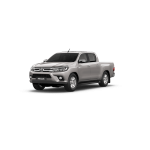
The Toyota Hilux returned to India in 2022 at a price point that placed it firmly in the premium lifestyle pickup segment — and within months, a dedicated modifier community had formed around it. Unlike sedans or even SUVs, the Hilux is purpose-built for accessorisation: a body-on-frame ladder chassis, a 201 bhp 2.8L diesel engine rated for 1,000 kg payload, and a factory 4x4 drivetrain that handles suspension lifts and load upgrades without the structural engineering compromises that affect monocoque platforms.
In Indian conditions — river crossings in Kerala's Wayanad and the Northeast, boulder trails in Spiti and Ladakh, red laterite mud in the Western Ghats, and thousands of kilometres of highway towing — the case for accessorising a Hilux is not aesthetic. It is functional. This guide covers every accessory category for the Toyota Hilux 4x4 off-road setup in India, with real pricing, real brand recommendations, and the legal boundaries every owner must understand before modifying their vehicle. For the full range of fitment options, explore Swastik Fabs' Hilux accessories catalogue
Why the Toyota Hilux Is the Best Platform for Customisation in India
The Hilux's ladder-frame chassis is the foundation that makes it uniquely suited for the Indian modification market. Monocoque platforms — used in most SUVs sold in India — have limited tolerance for suspension modifications and cannot safely handle the torsional loads that serious off-road use and towing generate. The Hilux chassis, by contrast, accepts bolt-on modification at every contact point: suspension, bumpers, skid plates, and underbody protection all mount to known structural attachment points with standardised hardware.
The IMV (Innovative International Multi-purpose Vehicle) platform underpinning the Hilux has logged more modification kilometres in global markets — Australia, South Africa, the Middle East — than almost any other platform in the 4x4 segment. This matters in India because the aftermarket parts ecosystem follows platform ubiquity: ARB, Ironman 4x4, Dobinsons, and Rhino-Rack all manufacture Hilux-specific parts because the global demand justifies dedicated engineering. Indian Hilux owners benefit from this global aftermarket depth in ways that owners of domestically popular but globally niche vehicles cannot.
For the specific terrains that Indian off-road drivers encounter — Himalayan altitude combined with water crossings, laterite mud with embedded rocks, coastal sand with salt exposure — the Hilux's combination of factory ground clearance (279mm), approach angle (29°), and departure angle (26°) provides a workable starting point that most modification builds simply improve upon rather than compensate for.
What to Fit First: Accessories Priority Order for Indian Hilux Owners
Before spending a rupee on accessories, every Hilux owner needs a priority framework. The sequence in which you accessorise determines both the cost efficiency and the functional coherence of the final build. The following order reflects what professional Toyota Hilux modification India builders — including the team at Swastik Fabs — recommend for owners starting from a stock vehicle:
Priority 1 — Protection (Before You Go Off-Road)
Underbody protection — skid plates covering the engine sump, gearbox, transfer case, and fuel tank — is the first priority for any Hilux that will leave sealed roads. Indian forest trails and mountain paths carry exposed rocks, deep ruts, and drainage culvert lips that will damage an unprotected sump on the first serious run. Toyota Hilux underbody protection in mild steel (3mm) starts at ₹20,000 for a basic set; 6mm sets from quality fabricators run ₹45,000–75,000. Fit this before the first off-road run, not after the first expensive repair.
Priority 2 — Performance (Tyres First, Then Suspension)
All-terrain tyres are the single highest-return modification on a stock Hilux. The factory-fitted road tyres optimize highway noise and fuel economy, not traction on loose or wet surfaces. A set of quality Hilux off-road tyres (BF Goodrich AT3, Toyo Open Country, or Cooper AT3) transforms the vehicle's capability on every surface type encountered in Indian off-road driving. Once tyres are upgraded, a Hilux suspension kit lift addresses the increased visual rolling radius and provides genuine additional ground clearance.
Priority 3 — Safety and Recovery Gear
A vehicle that goes off-road will eventually need recovery. A ₹8,000–15,000 kinetic rope and shackle set, combined with a high-lift jack, represents the minimum viable recovery kit for solo off-road use in India. Bull bars and Toyota Hilux rear bumper parts with recovery points follow — providing both frontal and rear protection and the rated recovery attachment points that standard bumpers lack.
Priority 4 — Comfort and Interior
Interior upgrades — waterproof seat covers, cargo organisers, and infotainment upgrades — come last because they do not affect capability. They are, however, the modifications that determine daily livability and are often the most visible to passengers. Toyota Hilux interior accessories at this stage can be matched to the use case: expedition-oriented builds prioritise drawer systems and cargo management; daily-driver builds prioritise seat comfort and connected audio.
Best Toyota Hilux Performance Modifications in India
Hilux Suspension Kits: What the Options Actually Deliver
A suspension lift on the Hilux serves two functions: it increases ground clearance and it accommodates larger-diameter tyres without contact with the wheel arch. For Indian roads, a 40–50mm lift is the practical sweet spot — sufficient clearance gain for serious off-road use, within the RTO's generally accepted modification range, and compatible with most quality tyre sizes.
The Ironman 4x4 Hilux suspension kit is the most widely fitted aftermarket option in India, offering a complete front and rear lift including new coilovers, rear leaf pack or add-a-leaf, and bump stops for ₹35,000–55,000 fitted. The Old Man Emu BP51 bypass shock system at ₹1,10,000–1,60,000 is the premium option — independently adjustable in compression and rebound, developed specifically for the GD-series Hilux, and the choice for owners who do a serious volume of off-road driving rather than occasional weekend use. Dobinsons is a well-regarded mid-point option at ₹60,000–90,000.
Hilux Off-Road Tyres: Indian Terrain Match Guide
Tyre choice for Indian terrain is not simply an AT-versus-MT (all-terrain vs mud-terrain) decision. Different Indian environments demand different tread compounds and patterns:
Himalayan rocky trails (Spiti, Ladakh, Uttarakhand): BF Goodrich KO2 or Toyo Open Country AT3 — aggressive shoulder block for sidewall protection, reinforced casing for altitude puncture resistance
Kerala and Northeast river crossings: Toyo Open Country MT or Goodyear Wrangler MT — wide void ratio for self-cleaning, deep tread for mud bite after submersion
Western Ghats mixed jungle-road use: BF Goodrich AT3 or Cooper AT3 — balanced highway noise with consistent off-road traction on wet laterite
Coastal sand (Goa, Tamil Nadu coast): AT tyres aired down to 18–22 psi outperform MTs in sand — flotation is the priority, not tread aggression
Standard Hilux off-road tyre fitment is 265/65 R17. Stepping up to 275/70 R17 or 285/70 R17 requires a suspension lift of at least 35–40mm to avoid arch contact under full suspension compression. Tyre cost per unit ranges from ₹14,000 (BF Goodrich AT3 265/65 R17) to ₹25,000 (Toyo Open Country MT 285/70 R17).
Snorkels: When India's Monsoon Makes This Non-Negotiable
A snorkel relocates the engine air intake from the standard position below the bonnet line to a point above the roofline, allowing water wading to depths of up to 700–800mm without risk of hydro-locking the engine. For Hilux owners who operate in Kerala, Assam, Meghalaya, or any monsoon-flooded terrain, a snorkel is not an aesthetic upgrade — it is engine insurance.
The Safari Snorkel (OEM-grade, Toyota-specific design) is the reference standard at ₹28,000–38,000 fitted. Dobinsons and locally fabricated alternatives at ₹12,000–22,000 provide functional water exclusion but generally use lighter-gauge material and less precise bonnet-seal integration.
Exhaust Upgrades and Cold Air Intake
The GD-series 2.8L diesel in the Hilux responds meaningfully to a free-flow performance exhaust — owners in India and Australia consistently report 15–25 Nm of additional torque and improved throttle response in the mid-range. A stainless steel mandrel-bent aftermarket exhaust from quality Indian fabricators runs ₹25,000–45,000 for a cat-back system. Cold air intake kits (₹8,000–15,000) improve intake efficiency, which is particularly valuable at high-altitude driving conditions in Ladakh and Spiti where reduced air density already limits engine output.
Must-Have Safety and Protection Accessories for Indian Terrain
Bull Bars and Front Protection
A quality bull bar on the Hilux serves three functions in Indian conditions: frontal protection from animals on forest roads and unlit highways, a mounting platform for recovery points and auxiliary lights, and aesthetic reinforcement of the vehicle's working character. Toyota Hilux rear bumper parts — specifically a steel rear bar with rated recovery hooks — complete the protection picture at both ends.
ARB summit steel bull bars (₹90,000–1,40,000 fitted) are the premium benchmark — independently crash-tested, compatible with factory airbag trigger systems, and manufactured to a tolerance that maintains OEM fitment quality. Safari and Wildcraft fabricated tubular bars (₹35,000–55,000) offer solid protection at lower cost but require verification that airbag sensor routing has not been compromised. Local fabricated bars (₹15,000–25,000) should carry a safety caveat: unless the fabricator can confirm airbag system compatibility and provides a load-rated recovery point specification, they carry liability that no price discount justifies.
Skid Plates and Underbody Protection
The factory-fitted underbody protection on the Hilux covers the front differential and partial engine sump. It does not cover the rear differential, gearbox, transfer case, or fuel tank — all of which are exposed on a stock vehicle on rocky terrain. A full Toyota Hilux underbody protection set in 3–6mm steel plate covers all five contact points and is the most cost-effective single investment in protection available for the platform.
Aluminium alloy skid plates (₹55,000–85,000 for a full set) save approximately 15–20 kg versus steel and absorb rock strikes through controlled deformation rather than steel's tendency to dent and retain shape. For expedition use where weight matters, aluminium sets from ARB or AFN are worth the premium. For trail driving where budget is the constraint, a quality 4mm steel set at ₹28,000–45,000 provides equivalent protection.
4 Essential Lighting Upgrades for Indian Off-Road Use
The following four lighting upgrades address the specific visibility and signalling requirements of night off-road driving on Indian terrain:
LED light bar (front-facing, roof or bumper mounted) — 20 to 52-inch bars from Stedi, Narva, or Baja Designs provide 4,000–25,000 lumens of forward throw for night trail navigation. Fit via a relay-switched secondary circuit, not directly through the factory loom.
Spot pods (side-facing) — critical for switchback navigation in Himalayan terrain where the trail curves beyond the throw of forward-facing lights. IPF and Hella offer well-tested options at ₹15,000–40,000 per pair.
Rock lights (underbody LED strips) — illuminate the vehicle's footprint during slow obstacle navigation, reducing the damage from misjudged rock placement.
Recovery floodlights — reversing and campsite lighting on a separate circuit from the main auxiliary lights. A 360° LED work light on the rear bar covers both functions.
Recovery Gear: The Non-Negotiable Safety Investment
Any Hilux used for off-road driving in India should carry: a kinetic recovery rope (at minimum 8-tonne rating, ₹4,000–8,000), rated bow shackles (two minimum), a high-lift jack with base plate, a 5-tonne snatch block, and tree saver straps. A complete ARB recovery bag (₹25,000–40,000) contains all of the above to a single tested specification. Assembling components individually from varied sources typically costs the same at retail and introduces the risk of mismatched load ratings.
For owners who regularly go off-road solo — or in terrain where a second vehicle may not be available — a winch is the single most significant self-recovery upgrade available. A 9,500–12,000 lb electric winch on a rated front bumper (the ARB summit or equivalent) allows a solo Hilux driver to self-recover from a stuck position using a tree or anchor point without waiting for assistance. Warn, Ironman 4x4, and Runva are the most commonly fitted brands in India, with 9,500 lb synthetic rope winches available from ₹35,000–65,000 fitted. Synthetic rope is strongly recommended over steel cable for Indian trail use — synthetic rope does not store lethal energy under tension the way steel cable does when a recovery fails.
Comfort and Interior Accessories for Daily Hilux Use
The Hilux's double-cab interior is a well-sized but working-vehicle-oriented space. For owners who use their Hilux as a primary daily driver — as the majority of Indian Hilux owners do — Toyota Hilux interior accessories that improve comfort and connectivity address the hours-per-day experience that off-road modifications cannot touch.
Seat Covers and Comfort Upgrades
Factory seat fabric in the Hilux offers limited moisture and dirt resistance — a significant issue for owners returning from off-road runs with wet and muddy clothing. Neoprene seat covers (₹12,000–22,000 for a full set) are waterproof, washable, and UV-resistant for window-down driving. King Offroad and Wet Okole are the premium brands with OEM-grade fitment; locally stitched covers at ₹4,000–8,000 provide basic protection at the cost of fit quality and long-term durability.
Storage and Cargo Organisation
The Hilux dual-cab tub's 1,525mm × 1,565mm cargo area accommodates a wide range of storage solutions. Lockable drawer systems (₹45,000–80,000 custom fabricated) provide waterproof, accessible storage for tools, recovery gear, and camping equipment without loose loading. Tub liners in HDPE or spray-on coating (₹8,000–18,000) protect against rust from scratching and moisture retention. Canopy fitments — GRP or aluminium — extend the usable cargo area and provide a lockable, weatherproof cover.
Infotainment and Connectivity
Factory infotainment on the Indian-spec Hilux is functional but lacks the Apple CarPlay and Android Auto depth that drivers expect from a vehicle in its price bracket. Third-party head units from Pioneer, Sony, or JVC (₹15,000–40,000 fitted) with CarPlay, Android Auto, rear camera integration, and Bluetooth audio addressing cover the connectivity gap. A dashcam installation (₹4,000–12,000) is particularly valuable for the insurance documentation function on Indian roads.
Where to Buy Toyota Hilux Accessories in India
Toyota Authorised Dealerships
Toyota dealerships stock OEM accessories — officially approved parts with factory fitment warranty. OEM pricing is typically 20–40% higher than aftermarket equivalents, but for safety-critical components (airbag-compatible bull bars, factory snorkels) the OEM traceability is worth the premium. Not all dealers carry the full OEM accessory range; check with the Toyota India accessories portal before visiting.
Specialist 4x4 Aftermarket Retailers
Specialist 4x4 retailers with Hilux-specific expertise offer the broadest range of genuine aftermarket brands — ARB, Ironman 4x4, Dobinsons, BF Goodrich, Rhino-Rack — with fitment capability and post-installation service. Swastik Fabs stocks and fits a comprehensive range of Toyota Hilux accessories, from individual components to complete off-road build packages, with fitment by technicians who work specifically on Hilux and other 4x4 platforms. For the current Hilux accessories range, view the Swastik Fabs Hilux accessories range.
Online vs Offline: What to Buy Where
Online marketplaces (Amazon.in, Flipkart, specialist 4x4 stores) are appropriate channels for non-structural accessories: seat covers, floor mats, organisers, dashcams, basic LED lighting kits, and recovery gear from established brands. For structural components — suspension systems, bumpers, skid plates, and snorkels — offline purchase with professional fitment is the correct approach. The reason is fitment warranty and liability: a suspension component that fails on a mountain trail because of an installation error is a safety event, not a warranty claim. Purchasing with professional fitment assigns both product and installation accountability to a single party.
5 Ways to Identify Genuine Products Before Buying
Check for brand-specific serial numbering and packaging — ARB and Ironman 4x4 products carry unique identifiers. Request the invoice from the importer or authorised distributor.
Request load rating documentation for any recovery component — shackles, tow points, and kinetic ropes should carry MBS (minimum breaking strength) ratings on the product itself.
Verify OEM fitment compatibility — ask the retailer which specific Hilux year and variant (2.8 AT/MT) the part is designed for. Generic parts without variant-specific fitment data are a reliability risk.
For electrical accessories, ask for a wiring diagram and confirm CE or equivalent certification for LED lighting products.
For suspension kits, confirm whether the quote includes alignment post-fitment. A suspension lift without subsequent wheel alignment introduces rapid tyre wear and compromised handling.
DIY or Professional Fitment: Installing Hilux Accessories the Right Way
DIY-Friendly Modifications
The following Hilux modifications are DIY-accessible for owners with basic mechanical experience and a socket set: floor mats and seat covers, dashcam and basic camera installation (if routing through existing grommets), roof rack fitment on a pre-welded tray, tub liner installation, basic LED lighting with relay wiring, and recovery gear organisation. None of these modifications affect safety systems or require vehicle-specific calibration after fitment.
Professional Installation Required
The following modifications require professional installation — both for safety and for preserving manufacturer and aftermarket warranties: all suspension work (incorrect coilover preload can cause tyre fouling and handling failure), bull bars and bumper replacements (airbag system compatibility must be verified and, in some cases, recalibrated), snorkel fitments (bonnet and A-pillar sealing requires precision cutting), brake line extensions (mandatory when lifting suspension beyond 40mm), and any electrical modification drawing from the fusebox rather than a relay-protected secondary circuit.
Tools and Cost Indicators for Professional Fitment
Professional fitment labour in India varies significantly by city and specialisation. As a reference: suspension kit labour ₹8,000–15,000, bull bar fitment ₹3,000–6,000, snorkel fitment ₹5,000–10,000, skid plate set fitment ₹4,000–8,000, full alignment post-suspension ₹1,500–3,500. These ranges apply to specialist 4x4 workshops; general service centres typically lack the equipment and Hilux-specific experience to fit components accurately.
Hilux Accessories Price in India: Budget, Mid-Range and Premium Build Costs (2026)
The table below provides realistic 2026 price ranges for each accessory category across three build tiers. All prices are inclusive of basic fitment labour at a specialist workshop. Prices are indicative — actual costs vary by brand, fabricator, and city. For a Toyota Hilux modified price in India quote specific to your build requirements, request a Swastik Fabs build quote.
Note: Prices above reflect May 2026 market rates from specialist 4x4 retailers and workshop fitment in metropolitan India. Import-duty fluctuations and brand-specific availability affect ARB and Ironman 4x4 pricing. Locally fabricated alternatives are available at 30–50% lower cost but without manufacturer warranty.
A note on GST and import duties: most aftermarket off-road accessories imported into India attract 28% GST plus applicable customs duty, which is embedded in the retail prices above. Buyers sourcing directly from overseas (Australia, UAE) should factor customs duty of 15–25% of declared value plus IGST into the landed cost calculation — the total is rarely cheaper than buying from an Indian specialist retailer who has already cleared customs at volume rates.
On resale value: a well-documented Hilux build with quality brand accessories — ARB, Ironman 4x4, BF Goodrich — typically retains or marginally increases the vehicle's resale value in the enthusiast secondary market, provided the modifications are RTO-compliant and invoice-supported. Undocumented or non-compliant structural modifications can reduce resale value by 10–20% as buyers factor in potential RTO rectification costs.
Legal Rules for Toyota Hilux Modifications in India
Section 52 of the Motor Vehicles Act, 1988, and the Central Motor Vehicles Rules (CMVR) govern vehicle modifications in India. The Supreme Court of India has repeatedly affirmed (most recently in its 2019 clarification on modified vehicles) that alterations affecting a vehicle's original specification as registered in the RC book require RTO approval. Non-compliant modifications can result in vehicle impoundment, fine, and insurance claim denial.
What Is Legal Without RTO Approval
Bolt-on accessories that do not alter the vehicle's dimensions, weight, or structural specification — seat covers, floor mats, dashcams, cargo organisers, and tub liners
Tyre upgrades within one size of the original OEM specification (typically +/- 10% of rolling radius)
Auxiliary lighting (LED bars, spotlights) used as secondary lights on a separate circuit, not replacing or overriding factory headlights
Recovery gear fitment — tow points, D-rings — at existing factory-designated tow hook positions
What Requires RTO Approval
Suspension lifts above 50mm — the generally applied RTO tolerance in India. Note that the 50mm limit is de facto, not universally codified; your regional RTO's current policy applies
Bull bar and front protection bar fitments that alter the vehicle's declared length, width, or frontal mass distribution
Chassis or frame modifications of any kind
Engine remaps and ECU tuning that alter declared power output (affects pollution and type approval compliance)
Exhaust modifications that increase noise beyond permissible limits (75 dB at idle under MoRTH norms)
3 Practical Steps to Modify Your Hilux Legally
Document the modification specification before fitment — dimensions, weight additions, structural changes — and present to your RTO for pre-approval where required.
Retain workshop invoices and brand fitment certificates for all modifications. Insurance companies increasingly request modification documentation during claim assessment.
Inform your insurance provider before and after modifications. Non-disclosure of significant modifications (suspension lifts, structural bumpers) can void a comprehensive insurance policy in the event of an accident claim.
Hilux vs D-Max, Thar and Gurkha: Customisation Potential Compared
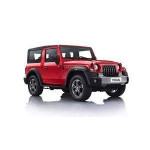
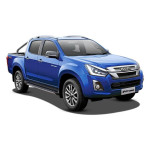
The question of Toyota Hilux performance upgrades value is best understood in the context of what alternatives exist. The table below compares the Hilux against the three most commonly considered rivals in the Indian off-road market: the Isuzu D-Max V-Cross, the Mahindra Thar, and the Force Gurkha. Customisation potential and aftermarket depth are the primary differentiators for buyers who plan to modify their vehicle.
The Thar and Gurkha offer strong off-road capability in their native configurations and a growing aftermarket ecosystem in India — but their shorter wheelbases, lower payload ratings, and narrower global aftermarket means the depth of modification available to a Hilux owner does not yet exist for either platform. The D-Max V-Cross is the most comparable alternative — a genuine ladder-frame 4x4 with global aftermarket depth and similar Indian market positioning — but it commands less brand recognition in the premium segment and currently trails the Hilux in official Toyota service network coverage across India.
Building Your Hilux: Where to Start and What the Journey Looks Like
The most common mistake in the Hilux off-road setup process is attempting to build everything simultaneously. The priority framework in this guide exists because each modification tier enables and informs the next. Underbody protection before off-road use. Quality tyres before a suspension lift. Recovery gear before solo off-road use. Suspension before body armour.
The second most common mistake is confusing price with quality. A ₹15,000 locally fabricated bumper without airbag system documentation on a vehicle with 10 airbags is not a budget decision — it is a liability. For structural components on a vehicle that will carry passengers and operate in seriously demanding terrain, the ARB-Ironman tier pricing reflects genuine engineering investment.
Swastik Fabs works with Hilux owners across build types — from single-accessory fitments to full expedition configurations. Whether the starting point is a ₹50,000 protection kit or a complete ₹10 lakh build, the fitment process is the same: component verification, fitment to manufacturer specification, and post-installation documentation.
Frequently Asked Questions About Toyota Hilux Accessories
Which Toyota Hilux accessories are most popular in India?
The most popular Toyota Hilux accessories in India are suspension lift kits (Ironman 4x4 and ARB brands), all-terrain tyres (BF Goodrich AT3 and Toyo Open Country), steel bull bars, underbody skid plate sets, and LED light bars. Safari snorkels are increasingly common among owners who drive in Kerala's Wayanad, Uttarakhand, and the Northeast.
Are Toyota Hilux modifications legal in India?
Modifications are legal in India provided they comply with the Central Motor Vehicles Rules (CMVR) and receive RTO approval where required. Suspension lifts above 50mm, structural bumper changes, and chassis modifications require RTO clearance. Bolt-on accessories, tyre upgrades within one size of OEM, and auxiliary LED lighting on separate circuits are generally compliant. Always verify with your regional RTO before structural modifications and inform your insurance provider before and after any significant upgrade.
How much does it cost to fully accessorize a Toyota Hilux?
A budget Hilux accessory build in India runs from ₹40,000 to ₹1,00,000 covering basic protection and lighting. A mid-range off-road setup with suspension lift, all-terrain tyres, snorkel, and recovery gear costs ₹2,50,000 to ₹4,50,000. A premium full build with ARB components, upgraded bumpers, roof rack, and interior overhaul reaches ₹8,00,000 to ₹15,00,000 or more. The Toyota Hilux modified price in India varies significantly by brand choice and fabricator.
What Hilux accessories are essential for off-roading in India?
For Indian off-road conditions — river crossings in the Northeast and Kerala, rocky trails in Spiti and Ladakh, and red mud in the Western Ghats — the five essential accessories are: all-terrain or mud-terrain tyres, a Hilux suspension kit for additional ground clearance, underbody skid plates, a snorkel for water wading, and a kinetic rope recovery kit. A bull bar completes the protection layer for forest and mountain trail use.
Where can I buy genuine Toyota Hilux accessories in India?
Genuine and quality-verified Toyota Hilux accessories in India are available from Toyota authorised dealerships for OEM parts, specialist 4x4 retailers such as Swastik Fabs for aftermarket fitments, and authorised ARB and Ironman 4x4 distributors. Avoid sourcing structural components — skid plates, bumpers, suspension parts — from generic online marketplaces without verifiable fitment warranty and brand documentation.
The Toyota Hilux returned to India in 2022 at a price point that placed it firmly in the premium lifestyle pickup segment — and within months, a dedicated modifier community had formed around it. Unlike sedans or even SUVs, the Hilux is purpose-built for accessorisation: a body-on-frame ladder chassis, a 201 bhp 2.8L diesel engine rated for 1,000 kg payload, and a factory 4x4 drivetrain that handles suspension lifts and load upgrades without the structural engineering compromises that affect monocoque platforms.
In Indian conditions — river crossings in Kerala's Wayanad and the Northeast, boulder trails in Spiti and Ladakh, red laterite mud in the Western Ghats, and thousands of kilometres of highway towing — the case for accessorising a Hilux is not aesthetic. It is functional. This guide covers every accessory category for the Toyota Hilux 4x4 off-road setup in India, with real pricing, real brand recommendations, and the legal boundaries every owner must understand before modifying their vehicle. For the full range of fitment options, explore Swastik Fabs' Hilux accessories catalogue
Why the Toyota Hilux Is the Best Platform for Customisation in India
The Hilux's ladder-frame chassis is the foundation that makes it uniquely suited for the Indian modification market. Monocoque platforms — used in most SUVs sold in India — have limited tolerance for suspension modifications and cannot safely handle the torsional loads that serious off-road use and towing generate. The Hilux chassis, by contrast, accepts bolt-on modification at every contact point: suspension, bumpers, skid plates, and underbody protection all mount to known structural attachment points with standardised hardware.
The IMV (Innovative International Multi-purpose Vehicle) platform underpinning the Hilux has logged more modification kilometres in global markets — Australia, South Africa, the Middle East — than almost any other platform in the 4x4 segment. This matters in India because the aftermarket parts ecosystem follows platform ubiquity: ARB, Ironman 4x4, Dobinsons, and Rhino-Rack all manufacture Hilux-specific parts because the global demand justifies dedicated engineering. Indian Hilux owners benefit from this global aftermarket depth in ways that owners of domestically popular but globally niche vehicles cannot.
For the specific terrains that Indian off-road drivers encounter — Himalayan altitude combined with water crossings, laterite mud with embedded rocks, coastal sand with salt exposure — the Hilux's combination of factory ground clearance (279mm), approach angle (29°), and departure angle (26°) provides a workable starting point that most modification builds simply improve upon rather than compensate for.
What to Fit First: Accessories Priority Order for Indian Hilux Owners
Before spending a rupee on accessories, every Hilux owner needs a priority framework. The sequence in which you accessorise determines both the cost efficiency and the functional coherence of the final build. The following order reflects what professional Toyota Hilux modification India builders — including the team at Swastik Fabs — recommend for owners starting from a stock vehicle:
Priority 1 — Protection (Before You Go Off-Road)
Underbody protection — skid plates covering the engine sump, gearbox, transfer case, and fuel tank — is the first priority for any Hilux that will leave sealed roads. Indian forest trails and mountain paths carry exposed rocks, deep ruts, and drainage culvert lips that will damage an unprotected sump on the first serious run. Toyota Hilux underbody protection in mild steel (3mm) starts at ₹20,000 for a basic set; 6mm sets from quality fabricators run ₹45,000–75,000. Fit this before the first off-road run, not after the first expensive repair.
Priority 2 — Performance (Tyres First, Then Suspension)
All-terrain tyres are the single highest-return modification on a stock Hilux. The factory-fitted road tyres optimize highway noise and fuel economy, not traction on loose or wet surfaces. A set of quality Hilux off-road tyres (BF Goodrich AT3, Toyo Open Country, or Cooper AT3) transforms the vehicle's capability on every surface type encountered in Indian off-road driving. Once tyres are upgraded, a Hilux suspension kit lift addresses the increased visual rolling radius and provides genuine additional ground clearance.
Priority 3 — Safety and Recovery Gear
A vehicle that goes off-road will eventually need recovery. A ₹8,000–15,000 kinetic rope and shackle set, combined with a high-lift jack, represents the minimum viable recovery kit for solo off-road use in India. Bull bars and Toyota Hilux rear bumper parts with recovery points follow — providing both frontal and rear protection and the rated recovery attachment points that standard bumpers lack.
Priority 4 — Comfort and Interior
Interior upgrades — waterproof seat covers, cargo organisers, and infotainment upgrades — come last because they do not affect capability. They are, however, the modifications that determine daily livability and are often the most visible to passengers. Toyota Hilux interior accessories at this stage can be matched to the use case: expedition-oriented builds prioritise drawer systems and cargo management; daily-driver builds prioritise seat comfort and connected audio.
Best Toyota Hilux Performance Modifications in India
Hilux Suspension Kits: What the Options Actually Deliver
A suspension lift on the Hilux serves two functions: it increases ground clearance and it accommodates larger-diameter tyres without contact with the wheel arch. For Indian roads, a 40–50mm lift is the practical sweet spot — sufficient clearance gain for serious off-road use, within the RTO's generally accepted modification range, and compatible with most quality tyre sizes.
The Ironman 4x4 Hilux suspension kit is the most widely fitted aftermarket option in India, offering a complete front and rear lift including new coilovers, rear leaf pack or add-a-leaf, and bump stops for ₹35,000–55,000 fitted. The Old Man Emu BP51 bypass shock system at ₹1,10,000–1,60,000 is the premium option — independently adjustable in compression and rebound, developed specifically for the GD-series Hilux, and the choice for owners who do a serious volume of off-road driving rather than occasional weekend use. Dobinsons is a well-regarded mid-point option at ₹60,000–90,000.
Hilux Off-Road Tyres: Indian Terrain Match Guide
Tyre choice for Indian terrain is not simply an AT-versus-MT (all-terrain vs mud-terrain) decision. Different Indian environments demand different tread compounds and patterns:
Himalayan rocky trails (Spiti, Ladakh, Uttarakhand): BF Goodrich KO2 or Toyo Open Country AT3 — aggressive shoulder block for sidewall protection, reinforced casing for altitude puncture resistance
Kerala and Northeast river crossings: Toyo Open Country MT or Goodyear Wrangler MT — wide void ratio for self-cleaning, deep tread for mud bite after submersion
Western Ghats mixed jungle-road use: BF Goodrich AT3 or Cooper AT3 — balanced highway noise with consistent off-road traction on wet laterite
Coastal sand (Goa, Tamil Nadu coast): AT tyres aired down to 18–22 psi outperform MTs in sand — flotation is the priority, not tread aggression
Standard Hilux off-road tyre fitment is 265/65 R17. Stepping up to 275/70 R17 or 285/70 R17 requires a suspension lift of at least 35–40mm to avoid arch contact under full suspension compression. Tyre cost per unit ranges from ₹14,000 (BF Goodrich AT3 265/65 R17) to ₹25,000 (Toyo Open Country MT 285/70 R17).
Snorkels: When India's Monsoon Makes This Non-Negotiable
A snorkel relocates the engine air intake from the standard position below the bonnet line to a point above the roofline, allowing water wading to depths of up to 700–800mm without risk of hydro-locking the engine. For Hilux owners who operate in Kerala, Assam, Meghalaya, or any monsoon-flooded terrain, a snorkel is not an aesthetic upgrade — it is engine insurance.
The Safari Snorkel (OEM-grade, Toyota-specific design) is the reference standard at ₹28,000–38,000 fitted. Dobinsons and locally fabricated alternatives at ₹12,000–22,000 provide functional water exclusion but generally use lighter-gauge material and less precise bonnet-seal integration.
Exhaust Upgrades and Cold Air Intake
The GD-series 2.8L diesel in the Hilux responds meaningfully to a free-flow performance exhaust — owners in India and Australia consistently report 15–25 Nm of additional torque and improved throttle response in the mid-range. A stainless steel mandrel-bent aftermarket exhaust from quality Indian fabricators runs ₹25,000–45,000 for a cat-back system. Cold air intake kits (₹8,000–15,000) improve intake efficiency, which is particularly valuable at high-altitude driving conditions in Ladakh and Spiti where reduced air density already limits engine output.
Must-Have Safety and Protection Accessories for Indian Terrain
Bull Bars and Front Protection
A quality bull bar on the Hilux serves three functions in Indian conditions: frontal protection from animals on forest roads and unlit highways, a mounting platform for recovery points and auxiliary lights, and aesthetic reinforcement of the vehicle's working character. Toyota Hilux rear bumper parts — specifically a steel rear bar with rated recovery hooks — complete the protection picture at both ends.
ARB summit steel bull bars (₹90,000–1,40,000 fitted) are the premium benchmark — independently crash-tested, compatible with factory airbag trigger systems, and manufactured to a tolerance that maintains OEM fitment quality. Safari and Wildcraft fabricated tubular bars (₹35,000–55,000) offer solid protection at lower cost but require verification that airbag sensor routing has not been compromised. Local fabricated bars (₹15,000–25,000) should carry a safety caveat: unless the fabricator can confirm airbag system compatibility and provides a load-rated recovery point specification, they carry liability that no price discount justifies.
Skid Plates and Underbody Protection
The factory-fitted underbody protection on the Hilux covers the front differential and partial engine sump. It does not cover the rear differential, gearbox, transfer case, or fuel tank — all of which are exposed on a stock vehicle on rocky terrain. A full Toyota Hilux underbody protection set in 3–6mm steel plate covers all five contact points and is the most cost-effective single investment in protection available for the platform.
Aluminium alloy skid plates (₹55,000–85,000 for a full set) save approximately 15–20 kg versus steel and absorb rock strikes through controlled deformation rather than steel's tendency to dent and retain shape. For expedition use where weight matters, aluminium sets from ARB or AFN are worth the premium. For trail driving where budget is the constraint, a quality 4mm steel set at ₹28,000–45,000 provides equivalent protection.
4 Essential Lighting Upgrades for Indian Off-Road Use
The following four lighting upgrades address the specific visibility and signalling requirements of night off-road driving on Indian terrain:
LED light bar (front-facing, roof or bumper mounted) — 20 to 52-inch bars from Stedi, Narva, or Baja Designs provide 4,000–25,000 lumens of forward throw for night trail navigation. Fit via a relay-switched secondary circuit, not directly through the factory loom.
Spot pods (side-facing) — critical for switchback navigation in Himalayan terrain where the trail curves beyond the throw of forward-facing lights. IPF and Hella offer well-tested options at ₹15,000–40,000 per pair.
Rock lights (underbody LED strips) — illuminate the vehicle's footprint during slow obstacle navigation, reducing the damage from misjudged rock placement.
Recovery floodlights — reversing and campsite lighting on a separate circuit from the main auxiliary lights. A 360° LED work light on the rear bar covers both functions.
Recovery Gear: The Non-Negotiable Safety Investment
Any Hilux used for off-road driving in India should carry: a kinetic recovery rope (at minimum 8-tonne rating, ₹4,000–8,000), rated bow shackles (two minimum), a high-lift jack with base plate, a 5-tonne snatch block, and tree saver straps. A complete ARB recovery bag (₹25,000–40,000) contains all of the above to a single tested specification. Assembling components individually from varied sources typically costs the same at retail and introduces the risk of mismatched load ratings.
For owners who regularly go off-road solo — or in terrain where a second vehicle may not be available — a winch is the single most significant self-recovery upgrade available. A 9,500–12,000 lb electric winch on a rated front bumper (the ARB summit or equivalent) allows a solo Hilux driver to self-recover from a stuck position using a tree or anchor point without waiting for assistance. Warn, Ironman 4x4, and Runva are the most commonly fitted brands in India, with 9,500 lb synthetic rope winches available from ₹35,000–65,000 fitted. Synthetic rope is strongly recommended over steel cable for Indian trail use — synthetic rope does not store lethal energy under tension the way steel cable does when a recovery fails.
Comfort and Interior Accessories for Daily Hilux Use
The Hilux's double-cab interior is a well-sized but working-vehicle-oriented space. For owners who use their Hilux as a primary daily driver — as the majority of Indian Hilux owners do — Toyota Hilux interior accessories that improve comfort and connectivity address the hours-per-day experience that off-road modifications cannot touch.
Seat Covers and Comfort Upgrades
Factory seat fabric in the Hilux offers limited moisture and dirt resistance — a significant issue for owners returning from off-road runs with wet and muddy clothing. Neoprene seat covers (₹12,000–22,000 for a full set) are waterproof, washable, and UV-resistant for window-down driving. King Offroad and Wet Okole are the premium brands with OEM-grade fitment; locally stitched covers at ₹4,000–8,000 provide basic protection at the cost of fit quality and long-term durability.
Storage and Cargo Organisation
The Hilux dual-cab tub's 1,525mm × 1,565mm cargo area accommodates a wide range of storage solutions. Lockable drawer systems (₹45,000–80,000 custom fabricated) provide waterproof, accessible storage for tools, recovery gear, and camping equipment without loose loading. Tub liners in HDPE or spray-on coating (₹8,000–18,000) protect against rust from scratching and moisture retention. Canopy fitments — GRP or aluminium — extend the usable cargo area and provide a lockable, weatherproof cover.
Infotainment and Connectivity
Factory infotainment on the Indian-spec Hilux is functional but lacks the Apple CarPlay and Android Auto depth that drivers expect from a vehicle in its price bracket. Third-party head units from Pioneer, Sony, or JVC (₹15,000–40,000 fitted) with CarPlay, Android Auto, rear camera integration, and Bluetooth audio addressing cover the connectivity gap. A dashcam installation (₹4,000–12,000) is particularly valuable for the insurance documentation function on Indian roads.
Where to Buy Toyota Hilux Accessories in India
Toyota Authorised Dealerships
Toyota dealerships stock OEM accessories — officially approved parts with factory fitment warranty. OEM pricing is typically 20–40% higher than aftermarket equivalents, but for safety-critical components (airbag-compatible bull bars, factory snorkels) the OEM traceability is worth the premium. Not all dealers carry the full OEM accessory range; check with the Toyota India accessories portal before visiting.
Specialist 4x4 Aftermarket Retailers
Specialist 4x4 retailers with Hilux-specific expertise offer the broadest range of genuine aftermarket brands — ARB, Ironman 4x4, Dobinsons, BF Goodrich, Rhino-Rack — with fitment capability and post-installation service. Swastik Fabs stocks and fits a comprehensive range of Toyota Hilux accessories, from individual components to complete off-road build packages, with fitment by technicians who work specifically on Hilux and other 4x4 platforms. For the current Hilux accessories range, view the Swastik Fabs Hilux accessories range.
Online vs Offline: What to Buy Where
Online marketplaces (Amazon.in, Flipkart, specialist 4x4 stores) are appropriate channels for non-structural accessories: seat covers, floor mats, organisers, dashcams, basic LED lighting kits, and recovery gear from established brands. For structural components — suspension systems, bumpers, skid plates, and snorkels — offline purchase with professional fitment is the correct approach. The reason is fitment warranty and liability: a suspension component that fails on a mountain trail because of an installation error is a safety event, not a warranty claim. Purchasing with professional fitment assigns both product and installation accountability to a single party.
5 Ways to Identify Genuine Products Before Buying
Check for brand-specific serial numbering and packaging — ARB and Ironman 4x4 products carry unique identifiers. Request the invoice from the importer or authorised distributor.
Request load rating documentation for any recovery component — shackles, tow points, and kinetic ropes should carry MBS (minimum breaking strength) ratings on the product itself.
Verify OEM fitment compatibility — ask the retailer which specific Hilux year and variant (2.8 AT/MT) the part is designed for. Generic parts without variant-specific fitment data are a reliability risk.
For electrical accessories, ask for a wiring diagram and confirm CE or equivalent certification for LED lighting products.
For suspension kits, confirm whether the quote includes alignment post-fitment. A suspension lift without subsequent wheel alignment introduces rapid tyre wear and compromised handling.
DIY or Professional Fitment: Installing Hilux Accessories the Right Way
DIY-Friendly Modifications
The following Hilux modifications are DIY-accessible for owners with basic mechanical experience and a socket set: floor mats and seat covers, dashcam and basic camera installation (if routing through existing grommets), roof rack fitment on a pre-welded tray, tub liner installation, basic LED lighting with relay wiring, and recovery gear organisation. None of these modifications affect safety systems or require vehicle-specific calibration after fitment.
Professional Installation Required
The following modifications require professional installation — both for safety and for preserving manufacturer and aftermarket warranties: all suspension work (incorrect coilover preload can cause tyre fouling and handling failure), bull bars and bumper replacements (airbag system compatibility must be verified and, in some cases, recalibrated), snorkel fitments (bonnet and A-pillar sealing requires precision cutting), brake line extensions (mandatory when lifting suspension beyond 40mm), and any electrical modification drawing from the fusebox rather than a relay-protected secondary circuit.
Tools and Cost Indicators for Professional Fitment
Professional fitment labour in India varies significantly by city and specialisation. As a reference: suspension kit labour ₹8,000–15,000, bull bar fitment ₹3,000–6,000, snorkel fitment ₹5,000–10,000, skid plate set fitment ₹4,000–8,000, full alignment post-suspension ₹1,500–3,500. These ranges apply to specialist 4x4 workshops; general service centres typically lack the equipment and Hilux-specific experience to fit components accurately.
Hilux Accessories Price in India: Budget, Mid-Range and Premium Build Costs (2026)
The table below provides realistic 2026 price ranges for each accessory category across three build tiers. All prices are inclusive of basic fitment labour at a specialist workshop. Prices are indicative — actual costs vary by brand, fabricator, and city. For a Toyota Hilux modified price in India quote specific to your build requirements, request a Swastik Fabs build quote.
Note: Prices above reflect May 2026 market rates from specialist 4x4 retailers and workshop fitment in metropolitan India. Import-duty fluctuations and brand-specific availability affect ARB and Ironman 4x4 pricing. Locally fabricated alternatives are available at 30–50% lower cost but without manufacturer warranty.
A note on GST and import duties: most aftermarket off-road accessories imported into India attract 28% GST plus applicable customs duty, which is embedded in the retail prices above. Buyers sourcing directly from overseas (Australia, UAE) should factor customs duty of 15–25% of declared value plus IGST into the landed cost calculation — the total is rarely cheaper than buying from an Indian specialist retailer who has already cleared customs at volume rates.
On resale value: a well-documented Hilux build with quality brand accessories — ARB, Ironman 4x4, BF Goodrich — typically retains or marginally increases the vehicle's resale value in the enthusiast secondary market, provided the modifications are RTO-compliant and invoice-supported. Undocumented or non-compliant structural modifications can reduce resale value by 10–20% as buyers factor in potential RTO rectification costs.
Legal Rules for Toyota Hilux Modifications in India
Section 52 of the Motor Vehicles Act, 1988, and the Central Motor Vehicles Rules (CMVR) govern vehicle modifications in India. The Supreme Court of India has repeatedly affirmed (most recently in its 2019 clarification on modified vehicles) that alterations affecting a vehicle's original specification as registered in the RC book require RTO approval. Non-compliant modifications can result in vehicle impoundment, fine, and insurance claim denial.
What Is Legal Without RTO Approval
Bolt-on accessories that do not alter the vehicle's dimensions, weight, or structural specification — seat covers, floor mats, dashcams, cargo organisers, and tub liners
Tyre upgrades within one size of the original OEM specification (typically +/- 10% of rolling radius)
Auxiliary lighting (LED bars, spotlights) used as secondary lights on a separate circuit, not replacing or overriding factory headlights
Recovery gear fitment — tow points, D-rings — at existing factory-designated tow hook positions
What Requires RTO Approval
Suspension lifts above 50mm — the generally applied RTO tolerance in India. Note that the 50mm limit is de facto, not universally codified; your regional RTO's current policy applies
Bull bar and front protection bar fitments that alter the vehicle's declared length, width, or frontal mass distribution
Chassis or frame modifications of any kind
Engine remaps and ECU tuning that alter declared power output (affects pollution and type approval compliance)
Exhaust modifications that increase noise beyond permissible limits (75 dB at idle under MoRTH norms)
3 Practical Steps to Modify Your Hilux Legally
Document the modification specification before fitment — dimensions, weight additions, structural changes — and present to your RTO for pre-approval where required.
Retain workshop invoices and brand fitment certificates for all modifications. Insurance companies increasingly request modification documentation during claim assessment.
Inform your insurance provider before and after modifications. Non-disclosure of significant modifications (suspension lifts, structural bumpers) can void a comprehensive insurance policy in the event of an accident claim.
Hilux vs D-Max, Thar and Gurkha: Customisation Potential Compared
The question of Toyota Hilux performance upgrades value is best understood in the context of what alternatives exist. The table below compares the Hilux against the three most commonly considered rivals in the Indian off-road market: the Isuzu D-Max V-Cross, the Mahindra Thar, and the Force Gurkha. Customisation potential and aftermarket depth are the primary differentiators for buyers who plan to modify their vehicle.
The Thar and Gurkha offer strong off-road capability in their native configurations and a growing aftermarket ecosystem in India — but their shorter wheelbases, lower payload ratings, and narrower global aftermarket means the depth of modification available to a Hilux owner does not yet exist for either platform. The D-Max V-Cross is the most comparable alternative — a genuine ladder-frame 4x4 with global aftermarket depth and similar Indian market positioning — but it commands less brand recognition in the premium segment and currently trails the Hilux in official Toyota service network coverage across India.
Building Your Hilux: Where to Start and What the Journey Looks Like
The most common mistake in the Hilux off-road setup process is attempting to build everything simultaneously. The priority framework in this guide exists because each modification tier enables and informs the next. Underbody protection before off-road use. Quality tyres before a suspension lift. Recovery gear before solo off-road use. Suspension before body armour.
The second most common mistake is confusing price with quality. A ₹15,000 locally fabricated bumper without airbag system documentation on a vehicle with 10 airbags is not a budget decision — it is a liability. For structural components on a vehicle that will carry passengers and operate in seriously demanding terrain, the ARB-Ironman tier pricing reflects genuine engineering investment.
Swastik Fabs works with Hilux owners across build types — from single-accessory fitments to full expedition configurations. Whether the starting point is a ₹50,000 protection kit or a complete ₹10 lakh build, the fitment process is the same: component verification, fitment to manufacturer specification, and post-installation documentation.
Frequently Asked Questions About Toyota Hilux Accessories
Which Toyota Hilux accessories are most popular in India?
The most popular Toyota Hilux accessories in India are suspension lift kits (Ironman 4x4 and ARB brands), all-terrain tyres (BF Goodrich AT3 and Toyo Open Country), steel bull bars, underbody skid plate sets, and LED light bars. Safari snorkels are increasingly common among owners who drive in Kerala's Wayanad, Uttarakhand, and the Northeast.
Are Toyota Hilux modifications legal in India?
Modifications are legal in India provided they comply with the Central Motor Vehicles Rules (CMVR) and receive RTO approval where required. Suspension lifts above 50mm, structural bumper changes, and chassis modifications require RTO clearance. Bolt-on accessories, tyre upgrades within one size of OEM, and auxiliary LED lighting on separate circuits are generally compliant. Always verify with your regional RTO before structural modifications and inform your insurance provider before and after any significant upgrade.
How much does it cost to fully accessorize a Toyota Hilux?
A budget Hilux accessory build in India runs from ₹40,000 to ₹1,00,000 covering basic protection and lighting. A mid-range off-road setup with suspension lift, all-terrain tyres, snorkel, and recovery gear costs ₹2,50,000 to ₹4,50,000. A premium full build with ARB components, upgraded bumpers, roof rack, and interior overhaul reaches ₹8,00,000 to ₹15,00,000 or more. The Toyota Hilux modified price in India varies significantly by brand choice and fabricator.
What Hilux accessories are essential for off-roading in India?
For Indian off-road conditions — river crossings in the Northeast and Kerala, rocky trails in Spiti and Ladakh, and red mud in the Western Ghats — the five essential accessories are: all-terrain or mud-terrain tyres, a Hilux suspension kit for additional ground clearance, underbody skid plates, a snorkel for water wading, and a kinetic rope recovery kit. A bull bar completes the protection layer for forest and mountain trail use.
Where can I buy genuine Toyota Hilux accessories in India?
Genuine and quality-verified Toyota Hilux accessories in India are available from Toyota authorised dealerships for OEM parts, specialist 4x4 retailers such as Swastik Fabs for aftermarket fitments, and authorised ARB and Ironman 4x4 distributors. Avoid sourcing structural components — skid plates, bumpers, suspension parts — from generic online marketplaces without verifiable fitment warranty and brand documentation.
Leave a Comment