


















Introduction
Four-wheel drive vehicles are built for the kind of terrain that defeats ordinary cars — mud, sand, steep inclines, loose gravel. But getting the most out of a four-wheel drive (4WD) system is not just about moving a lever. The components connecting your wheels to your drivetrain determine whether that power actually reaches the ground — and one of the most important of those components is the locking hub.
Locking hubs in 4x4 vehicles control the connection between the front wheels and the front axle. When working correctly, they are the difference between confident traction and a vehicle spinning helplessly in deep mud. When worn or mismatched to your vehicle, they become a source of drivetrain stress, fuel loss, and expensive repairs.
For Indian Gypsy enthusiasts and serious off-road drivers, Lamda Components — available through Swastik Fabs — are the trusted upgrade for reliable locking hub performance in all conditions.
What Are Locking Hubs in 4x4 Vehicles?
Locking hubs — also called free wheel hubs — are mechanical devices fitted to the front wheels of part-time four-wheel drive vehicles. Their job is to connect or disconnect each front wheel from the front axle shaft and, by extension, the rest of the drivetrain.
In a part-time 4WD system, the engine normally drives only the rear wheels. The front axle, driveshaft, and front differential (the mechanism that allows front wheels to rotate at different speeds during cornering) are connected to the wheels but do not need to spin during 2WD highway driving. Without locking hubs, these components rotate constantly with the front wheels — creating unnecessary drag, wearing out parts faster, and burning extra fuel.
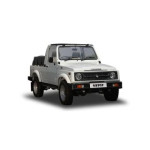
With locking hubs fitted, the driver can disconnect the front wheels from the front axle when in 2WD. When 4WD is needed — on a muddy trail, a sandy crossing, or a steep hill — the hubs lock the front wheels back onto the axle shafts, allowing power to flow through to all four wheels. The Maruti Gypsy, India's most widely used civilian off-road platform, uses this part-time 4WD system and benefits significantly from quality free wheel hubs.
How Do 4x4 Locking Hubs Work?
Understanding locking hubs starts with two states: locked and unlocked.
Unlocked State (2WD Driving)
When the hub is in the unlocked or free position, the front wheel spins on the wheel bearing but is not connected to the axle shaft. The front axle, front driveshaft, and front differential sit stationary — they do not rotate. The vehicle runs on rear-wheel power only, with zero drivetrain load from the entire front axle system.
Locked State (4WD Engaged)
When the driver locks the hub — manually or automatically — internal splines engage. Splines are the interlocking machined ridges on both the hub and the axle shaft: when they mesh together, the hub and axle rotate as a single unit. The driver then selects 4WD, and torque from the engine flows through the transfer case (the gearbox component that divides power between the front and rear axles), through the front driveshaft, into the front differential, along the axle shafts, and through the locked hub into the front wheels — delivering full 4WD traction.
Think of a locking hub as a precision mechanical switch. Off: the wheel rolls freely without spinning the drivetrain. On: wheel and drivetrain rotate together, putting power to the ground exactly when it is needed.
Why Locking Hubs Are Important in 4x4 Systems

Locking hubs are not an accessory upgrade. In a part-time 4WD system, they are a functional necessity that directly affects drivetrain longevity, fuel economy, and off-road capability.
Better Traction When It Counts
The primary function of a locking hub is to deliver engine power to the front wheels when rear-wheel traction alone is insufficient. Whether it is a flooded forest trail in Karnataka, a sandy beach crossing in Goa, or a rocky mountain path in Uttarakhand, locking hubs convert a 2WD limitation into full 4WD capability.
Reduced Drivetrain Wear
Without quality locking hubs, the front axle components spin continuously even in 2WD — accelerating wear on bearings, the front differential, and the driveshaft. Properly functioning locking hubs allow these components to rest when not in use. Over the service life of a vehicle, this translates directly into lower maintenance costs and fewer component replacements.
Improved Fuel Efficiency
A front axle system rotating unnecessarily on a highway imposes a constant mechanical load on the engine. Disconnecting the front axle via unlocked free wheel hubs removes this load entirely. Many 4x4 owners report noticeable improvements in highway fuel returns after fitting quality free wheel hubs and running in 2WD with hubs fully disengaged — a benefit that is mechanically predictable: eliminating unnecessary front axle rotation directly reduces the load the engine must overcome.
Protecting the Transfer Case
Running a part-time 4WD system in 4WD mode on hard surfaces creates drivetrain binding, because the front and rear axles cannot differentiate their rotational speeds on tar or concrete. Locking hubs give the driver precise control over exactly when 4WD is engaged, protecting the transfer case from the stress of unnecessary four-wheel operation on hard roads.
Types of Locking Hubs

There are three main types of locking hubs used in 4x4 vehicles, each suited to different driving styles and use cases:
Manual Locking Hubs
The driver stops the vehicle, steps out, and physically rotates the hub face to the Lock position before engaging 4WD. Manual hubs are mechanically simple, extremely reliable, and cost-effective. They have fewer moving parts than automatic systems, making them the preferred choice for serious off-road use, military vehicles, and the Gypsy.
Pros: Durable, reliable in extreme conditions, fuel-efficient on highway, lower cost.
Cons: Requires stopping the vehicle and stepping out to engage or disengage.
Automatic Locking Hubs
Automatic hubs engage when the transfer case is shifted into 4WD. No manual intervention is needed. They are popular with daily drivers who occasionally need 4WD but prefer not to stop and engage hubs manually.
Pros: Convenient, fast engagement, no need to exit the vehicle.
Cons: More complex mechanically, higher cost, can fail in deep mud or water ingress.
Electronic Locking Hubs
Found on newer 4x4 platforms, electronic hubs are controlled by the vehicle's onboard management system and actuated by electric motors. They offer maximum convenience but are the most expensive and the most sensitive to water and electrical faults off-road.
Pros: Fully automated, fast, integrated with modern vehicle electronics.
Cons: High cost, complex repairs, vulnerable to electrical failure in harsh off-road conditions.
Manual vs Automatic Locking Hubs: Which Is Better for Indian Conditions?
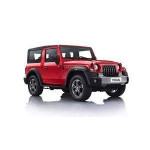
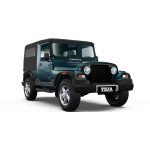
For Indian 4x4 enthusiasts — whether driving a Gypsy on forest department trails, a Mahindra Thar across Himalayan gravel, or an older Jeep through monsoon floodwaters — the choice between manual and automatic locking hubs has a clear answer in most conditions.
Indian off-road terrain is frequently extreme: deep seasonal mud, river crossings, laterite surfaces, and loose coastal sand. In these environments, mechanical simplicity is a survival advantage. Manual locking hubs have a long track record of reliability in exactly these conditions, while automatic hub mechanisms can clog, fail, or refuse to disengage when packed with clay.
The Verdict for Indian Conditions: Manual locking hubs win on durability, reliability, and long-term cost for serious off-road use in India. Automatic hubs suit drivers who primarily encounter lighter mixed terrain and value driving convenience. For Gypsy owners specifically, the Lamda manual free wheel hub for Gypsy — available at Swastik Fabs — is the most recommended choice: direct-fit, robust construction, and purpose-matched to the Gypsy's front axle system.
When to Use Locking Hubs in Off-Road Driving
Knowing when to engage and disengage your locking hubs is as important as having them fitted correctly. Using them at the right moment protects both the hubs and the broader drivetrain.
The Highway Rule: Always Unlock on Tar
The single most important locking hub habit: unlock your hubs every time you return to a paved road. Driving on tar or concrete with hubs locked and 4WD engaged creates drivetrain binding — the front and rear axles fight each other because they cannot differentiate their rotational speeds on a hard surface. On the highway in 2WD with hubs unlocked, your Gypsy or 4x4 drives more efficiently, the transfer case stays protected, and your drivetrain components last significantly longer.
When to Lock Your Hubs
Mud and waterlogged terrain: Lock before you enter the mud, not after you are already stuck.
Sand and loose gravel: Beach crossings, dry riverbeds, and desert tracks all require front traction from the start.
Steep inclines and descents: Engine braking is more effective with all four wheels mechanically connected on downhill sections.
Slippery forest trails and laterite paths: Lock hubs whenever the surface is likely to reduce rear traction significantly.
When to Unlock Your Hubs
Highway and all paved roads: Always — this is where fuel savings and drivetrain protection are maximised.
Dry gravel or easy tracks: If rear-wheel traction is reliably sufficient, keep hubs unlocked and drive in 2WD.
After every off-road section: Stop, unlock, and return to 2WD as soon as the terrain improves. This single habit significantly extends hub and drivetrain service life.
Signs Your 4x4 Needs a Locking Hub Upgrade
Locking hubs wear over time, especially under demanding Indian off-road conditions. Catching the warning signs early prevents a trail-side failure and protects the broader drivetrain:
Poor traction despite 4WD being engaged: If selecting 4WD delivers no additional grip or pull, the front hubs may not be fully locking onto the axle splines — a clear sign of internal wear or hub failure.
Clicking or grinding noise from the front wheels: A worn hub often produces a rhythmic clicking or grinding during movement, particularly on turns. This indicates spline wear or a failing hub body.
The hub face spins without firm resistance: A correctly locked hub should feel solid. If there is play or the hub face rotates without engaging, the internal mechanism has failed.
Reduced fuel efficiency in 2WD mode: If the hub is not releasing cleanly when set to free, the front axle continues to drag on the highway — reducing fuel returns even in 2WD.
Visible corrosion or cracking on the hub casing: Physical damage to the hub body is a clear replacement indicator, particularly on older Gypsy platforms that have seen heavy seasonal use.
Why Choose Lamda Components from Swastik Fabs
When it comes to locking hubs for Indian 4x4 vehicles, Lamda Components have built a strong reputation among Gypsy owners, off-road clubs, and professional workshops. Swastik Fabs is an authorised distributor of Lamda accessories, supplying genuine Lamda free wheel hubs and 4x4 components to customers across India — with established relationships with Gypsy clubs, military vehicle workshops, and competitive off-road teams.
Performance Built for Indian Conditions
Lamda free wheel hubs are engineered for the specific demands of Indian off-road driving — deep seasonal mud, river crossings, laterite surfaces, and the sustained heavy use that wears out cheaper alternatives quickly. The internal spline mechanism is precision-machined for consistent, reliable engagement and disengagement cycle after cycle, season after season.
Purpose-Built Gypsy Fitment
The Lamda free wheel hub for Gypsy is designed as a direct-fit replacement for the Gypsy's front axle. No fabrication, no adaptation, no guesswork — the hub fits correctly from day one, with no risk of misalignment or clearance issues.
Lamda Free Wheel Hub Price
The Lamda free wheel hub price varies by hub model and vehicle fitment. For the Gypsy-specific hub, current pricing is available directly at swastikfabs.in/brands/lamda-accessories. Lamda hubs are competitively priced against OEM equivalents and significantly outlast budget aftermarket alternatives available in local markets.
Trusted by India's Off-Road Community
From military vehicle workshops to competitive off-road teams and weekend trail drivers, Lamda Components are associated with 4x4 parts that perform reliably when you are far from the nearest workshop. The name carries genuine credibility in India's off-road community — earned through years of consistent performance in demanding conditions.
Conclusion
Locking hubs are one of the most functional components on any part-time 4WD system. They protect your drivetrain on the highway, deliver traction when the trail demands it, and — when properly maintained — extend the life of your front axle components for the long term.
For Indian 4x4 owners running a Gypsy, Thar, or older Jeep platform, choosing the right locking hub matters as much as choosing the right tyres. Lamda Components, available through Swastik Fabs, are the proven, purpose-built choice for drivers who take their off-road performance seriously and want components that will not fail them when conditions get difficult.
FAQ — Lamda Locking Hubs
What do locking hubs do in a 4x4 vehicle?
Locking hubs connect or disconnect the front wheels from the front axle and drivetrain. When locked, power flows to all four wheels for maximum traction. When unlocked on highways, the front axle and differential spin freely, reducing mechanical drag and improving fuel efficiency.
How do 4x4 locking hubs work?
When the driver engages 4WD and locks the hubs, internal splines inside the hub connect the wheel to the axle shaft. Power flows from the transfer case through the front driveshaft, differential, axle shafts, and into the wheels, delivering full four-wheel drive traction.
Do locking hubs improve fuel efficiency?
Yes. Unlocked hubs allow the front wheels to spin freely without turning the front axle and differential in 2WD mode. This eliminates unnecessary drivetrain drag, and many 4x4 owners report improved highway fuel efficiency when running with hubs fully disengaged.
When should you use locking hubs in off-road driving?
Lock your hubs before entering mud, sand, loose gravel, or steep inclines where rear-wheel traction may not be sufficient. Always engage them before encountering low-traction conditions. Unlock when returning to paved roads or highways to maximise fuel efficiency and reduce drivetrain wear.
What is the difference between manual and automatic locking hubs?
Manual locking hubs require the driver to step out and physically engage each front hub. Automatic hubs engage when 4WD is selected. Manual hubs are more durable, cost-effective, and perform more reliably in extreme off-road conditions, while automatic hubs offer greater convenience for everyday mixed-terrain driving.
Introduction
Four-wheel drive vehicles are built for the kind of terrain that defeats ordinary cars — mud, sand, steep inclines, loose gravel. But getting the most out of a four-wheel drive (4WD) system is not just about moving a lever. The components connecting your wheels to your drivetrain determine whether that power actually reaches the ground — and one of the most important of those components is the locking hub.
Locking hubs in 4x4 vehicles control the connection between the front wheels and the front axle. When working correctly, they are the difference between confident traction and a vehicle spinning helplessly in deep mud. When worn or mismatched to your vehicle, they become a source of drivetrain stress, fuel loss, and expensive repairs.
For Indian Gypsy enthusiasts and serious off-road drivers, Lamda Components — available through Swastik Fabs — are the trusted upgrade for reliable locking hub performance in all conditions.
What Are Locking Hubs in 4x4 Vehicles?
Locking hubs — also called free wheel hubs — are mechanical devices fitted to the front wheels of part-time four-wheel drive vehicles. Their job is to connect or disconnect each front wheel from the front axle shaft and, by extension, the rest of the drivetrain.
In a part-time 4WD system, the engine normally drives only the rear wheels. The front axle, driveshaft, and front differential (the mechanism that allows front wheels to rotate at different speeds during cornering) are connected to the wheels but do not need to spin during 2WD highway driving. Without locking hubs, these components rotate constantly with the front wheels — creating unnecessary drag, wearing out parts faster, and burning extra fuel.
With locking hubs fitted, the driver can disconnect the front wheels from the front axle when in 2WD. When 4WD is needed — on a muddy trail, a sandy crossing, or a steep hill — the hubs lock the front wheels back onto the axle shafts, allowing power to flow through to all four wheels. The Maruti Gypsy, India's most widely used civilian off-road platform, uses this part-time 4WD system and benefits significantly from quality free wheel hubs.
How Do 4x4 Locking Hubs Work?
Understanding locking hubs starts with two states: locked and unlocked.
Unlocked State (2WD Driving)
When the hub is in the unlocked or free position, the front wheel spins on the wheel bearing but is not connected to the axle shaft. The front axle, front driveshaft, and front differential sit stationary — they do not rotate. The vehicle runs on rear-wheel power only, with zero drivetrain load from the entire front axle system.
Locked State (4WD Engaged)
When the driver locks the hub — manually or automatically — internal splines engage. Splines are the interlocking machined ridges on both the hub and the axle shaft: when they mesh together, the hub and axle rotate as a single unit. The driver then selects 4WD, and torque from the engine flows through the transfer case (the gearbox component that divides power between the front and rear axles), through the front driveshaft, into the front differential, along the axle shafts, and through the locked hub into the front wheels — delivering full 4WD traction.
Think of a locking hub as a precision mechanical switch. Off: the wheel rolls freely without spinning the drivetrain. On: wheel and drivetrain rotate together, putting power to the ground exactly when it is needed.
Why Locking Hubs Are Important in 4x4 Systems
Locking hubs are not an accessory upgrade. In a part-time 4WD system, they are a functional necessity that directly affects drivetrain longevity, fuel economy, and off-road capability.
Better Traction When It Counts
The primary function of a locking hub is to deliver engine power to the front wheels when rear-wheel traction alone is insufficient. Whether it is a flooded forest trail in Karnataka, a sandy beach crossing in Goa, or a rocky mountain path in Uttarakhand, locking hubs convert a 2WD limitation into full 4WD capability.
Reduced Drivetrain Wear
Without quality locking hubs, the front axle components spin continuously even in 2WD — accelerating wear on bearings, the front differential, and the driveshaft. Properly functioning locking hubs allow these components to rest when not in use. Over the service life of a vehicle, this translates directly into lower maintenance costs and fewer component replacements.
Improved Fuel Efficiency
A front axle system rotating unnecessarily on a highway imposes a constant mechanical load on the engine. Disconnecting the front axle via unlocked free wheel hubs removes this load entirely. Many 4x4 owners report noticeable improvements in highway fuel returns after fitting quality free wheel hubs and running in 2WD with hubs fully disengaged — a benefit that is mechanically predictable: eliminating unnecessary front axle rotation directly reduces the load the engine must overcome.
Protecting the Transfer Case
Running a part-time 4WD system in 4WD mode on hard surfaces creates drivetrain binding, because the front and rear axles cannot differentiate their rotational speeds on tar or concrete. Locking hubs give the driver precise control over exactly when 4WD is engaged, protecting the transfer case from the stress of unnecessary four-wheel operation on hard roads.
Types of Locking Hubs
There are three main types of locking hubs used in 4x4 vehicles, each suited to different driving styles and use cases:
Manual Locking Hubs
The driver stops the vehicle, steps out, and physically rotates the hub face to the Lock position before engaging 4WD. Manual hubs are mechanically simple, extremely reliable, and cost-effective. They have fewer moving parts than automatic systems, making them the preferred choice for serious off-road use, military vehicles, and the Gypsy.
Pros: Durable, reliable in extreme conditions, fuel-efficient on highway, lower cost.
Cons: Requires stopping the vehicle and stepping out to engage or disengage.
Automatic Locking Hubs
Automatic hubs engage when the transfer case is shifted into 4WD. No manual intervention is needed. They are popular with daily drivers who occasionally need 4WD but prefer not to stop and engage hubs manually.
Pros: Convenient, fast engagement, no need to exit the vehicle.
Cons: More complex mechanically, higher cost, can fail in deep mud or water ingress.
Electronic Locking Hubs
Found on newer 4x4 platforms, electronic hubs are controlled by the vehicle's onboard management system and actuated by electric motors. They offer maximum convenience but are the most expensive and the most sensitive to water and electrical faults off-road.
Pros: Fully automated, fast, integrated with modern vehicle electronics.
Cons: High cost, complex repairs, vulnerable to electrical failure in harsh off-road conditions.
Manual vs Automatic Locking Hubs: Which Is Better for Indian Conditions?
For Indian 4x4 enthusiasts — whether driving a Gypsy on forest department trails, a Mahindra Thar across Himalayan gravel, or an older Jeep through monsoon floodwaters — the choice between manual and automatic locking hubs has a clear answer in most conditions.
Indian off-road terrain is frequently extreme: deep seasonal mud, river crossings, laterite surfaces, and loose coastal sand. In these environments, mechanical simplicity is a survival advantage. Manual locking hubs have a long track record of reliability in exactly these conditions, while automatic hub mechanisms can clog, fail, or refuse to disengage when packed with clay.
The Verdict for Indian Conditions: Manual locking hubs win on durability, reliability, and long-term cost for serious off-road use in India. Automatic hubs suit drivers who primarily encounter lighter mixed terrain and value driving convenience. For Gypsy owners specifically, the Lamda manual free wheel hub for Gypsy — available at Swastik Fabs — is the most recommended choice: direct-fit, robust construction, and purpose-matched to the Gypsy's front axle system.
When to Use Locking Hubs in Off-Road Driving
Knowing when to engage and disengage your locking hubs is as important as having them fitted correctly. Using them at the right moment protects both the hubs and the broader drivetrain.
The Highway Rule: Always Unlock on Tar
The single most important locking hub habit: unlock your hubs every time you return to a paved road. Driving on tar or concrete with hubs locked and 4WD engaged creates drivetrain binding — the front and rear axles fight each other because they cannot differentiate their rotational speeds on a hard surface. On the highway in 2WD with hubs unlocked, your Gypsy or 4x4 drives more efficiently, the transfer case stays protected, and your drivetrain components last significantly longer.
When to Lock Your Hubs
Mud and waterlogged terrain: Lock before you enter the mud, not after you are already stuck.
Sand and loose gravel: Beach crossings, dry riverbeds, and desert tracks all require front traction from the start.
Steep inclines and descents: Engine braking is more effective with all four wheels mechanically connected on downhill sections.
Slippery forest trails and laterite paths: Lock hubs whenever the surface is likely to reduce rear traction significantly.
When to Unlock Your Hubs
Highway and all paved roads: Always — this is where fuel savings and drivetrain protection are maximised.
Dry gravel or easy tracks: If rear-wheel traction is reliably sufficient, keep hubs unlocked and drive in 2WD.
After every off-road section: Stop, unlock, and return to 2WD as soon as the terrain improves. This single habit significantly extends hub and drivetrain service life.
Signs Your 4x4 Needs a Locking Hub Upgrade
Locking hubs wear over time, especially under demanding Indian off-road conditions. Catching the warning signs early prevents a trail-side failure and protects the broader drivetrain:
Poor traction despite 4WD being engaged: If selecting 4WD delivers no additional grip or pull, the front hubs may not be fully locking onto the axle splines — a clear sign of internal wear or hub failure.
Clicking or grinding noise from the front wheels: A worn hub often produces a rhythmic clicking or grinding during movement, particularly on turns. This indicates spline wear or a failing hub body.
The hub face spins without firm resistance: A correctly locked hub should feel solid. If there is play or the hub face rotates without engaging, the internal mechanism has failed.
Reduced fuel efficiency in 2WD mode: If the hub is not releasing cleanly when set to free, the front axle continues to drag on the highway — reducing fuel returns even in 2WD.
Visible corrosion or cracking on the hub casing: Physical damage to the hub body is a clear replacement indicator, particularly on older Gypsy platforms that have seen heavy seasonal use.
Why Choose Lamda Components from Swastik Fabs
When it comes to locking hubs for Indian 4x4 vehicles, Lamda Components have built a strong reputation among Gypsy owners, off-road clubs, and professional workshops. Swastik Fabs is an authorised distributor of Lamda accessories, supplying genuine Lamda free wheel hubs and 4x4 components to customers across India — with established relationships with Gypsy clubs, military vehicle workshops, and competitive off-road teams.
Performance Built for Indian Conditions
Lamda free wheel hubs are engineered for the specific demands of Indian off-road driving — deep seasonal mud, river crossings, laterite surfaces, and the sustained heavy use that wears out cheaper alternatives quickly. The internal spline mechanism is precision-machined for consistent, reliable engagement and disengagement cycle after cycle, season after season.
Purpose-Built Gypsy Fitment
The Lamda free wheel hub for Gypsy is designed as a direct-fit replacement for the Gypsy's front axle. No fabrication, no adaptation, no guesswork — the hub fits correctly from day one, with no risk of misalignment or clearance issues.
Lamda Free Wheel Hub Price
The Lamda free wheel hub price varies by hub model and vehicle fitment. For the Gypsy-specific hub, current pricing is available directly at swastikfabs.in/brands/lamda-accessories. Lamda hubs are competitively priced against OEM equivalents and significantly outlast budget aftermarket alternatives available in local markets.
Trusted by India's Off-Road Community
From military vehicle workshops to competitive off-road teams and weekend trail drivers, Lamda Components are associated with 4x4 parts that perform reliably when you are far from the nearest workshop. The name carries genuine credibility in India's off-road community — earned through years of consistent performance in demanding conditions.
Conclusion
Locking hubs are one of the most functional components on any part-time 4WD system. They protect your drivetrain on the highway, deliver traction when the trail demands it, and — when properly maintained — extend the life of your front axle components for the long term.
For Indian 4x4 owners running a Gypsy, Thar, or older Jeep platform, choosing the right locking hub matters as much as choosing the right tyres. Lamda Components, available through Swastik Fabs, are the proven, purpose-built choice for drivers who take their off-road performance seriously and want components that will not fail them when conditions get difficult.
FAQ — Lamda Locking Hubs
What do locking hubs do in a 4x4 vehicle?
Locking hubs connect or disconnect the front wheels from the front axle and drivetrain. When locked, power flows to all four wheels for maximum traction. When unlocked on highways, the front axle and differential spin freely, reducing mechanical drag and improving fuel efficiency.
How do 4x4 locking hubs work?
When the driver engages 4WD and locks the hubs, internal splines inside the hub connect the wheel to the axle shaft. Power flows from the transfer case through the front driveshaft, differential, axle shafts, and into the wheels, delivering full four-wheel drive traction.
Do locking hubs improve fuel efficiency?
Yes. Unlocked hubs allow the front wheels to spin freely without turning the front axle and differential in 2WD mode. This eliminates unnecessary drivetrain drag, and many 4x4 owners report improved highway fuel efficiency when running with hubs fully disengaged.
When should you use locking hubs in off-road driving?
Lock your hubs before entering mud, sand, loose gravel, or steep inclines where rear-wheel traction may not be sufficient. Always engage them before encountering low-traction conditions. Unlock when returning to paved roads or highways to maximise fuel efficiency and reduce drivetrain wear.
What is the difference between manual and automatic locking hubs?
Manual locking hubs require the driver to step out and physically engage each front hub. Automatic hubs engage when 4WD is selected. Manual hubs are more durable, cost-effective, and perform more reliably in extreme off-road conditions, while automatic hubs offer greater convenience for everyday mixed-terrain driving.
Leave a Comment