

















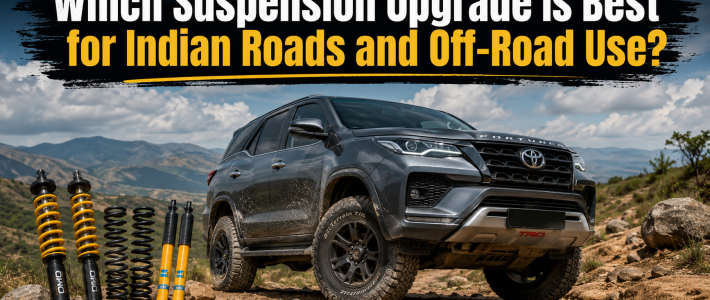
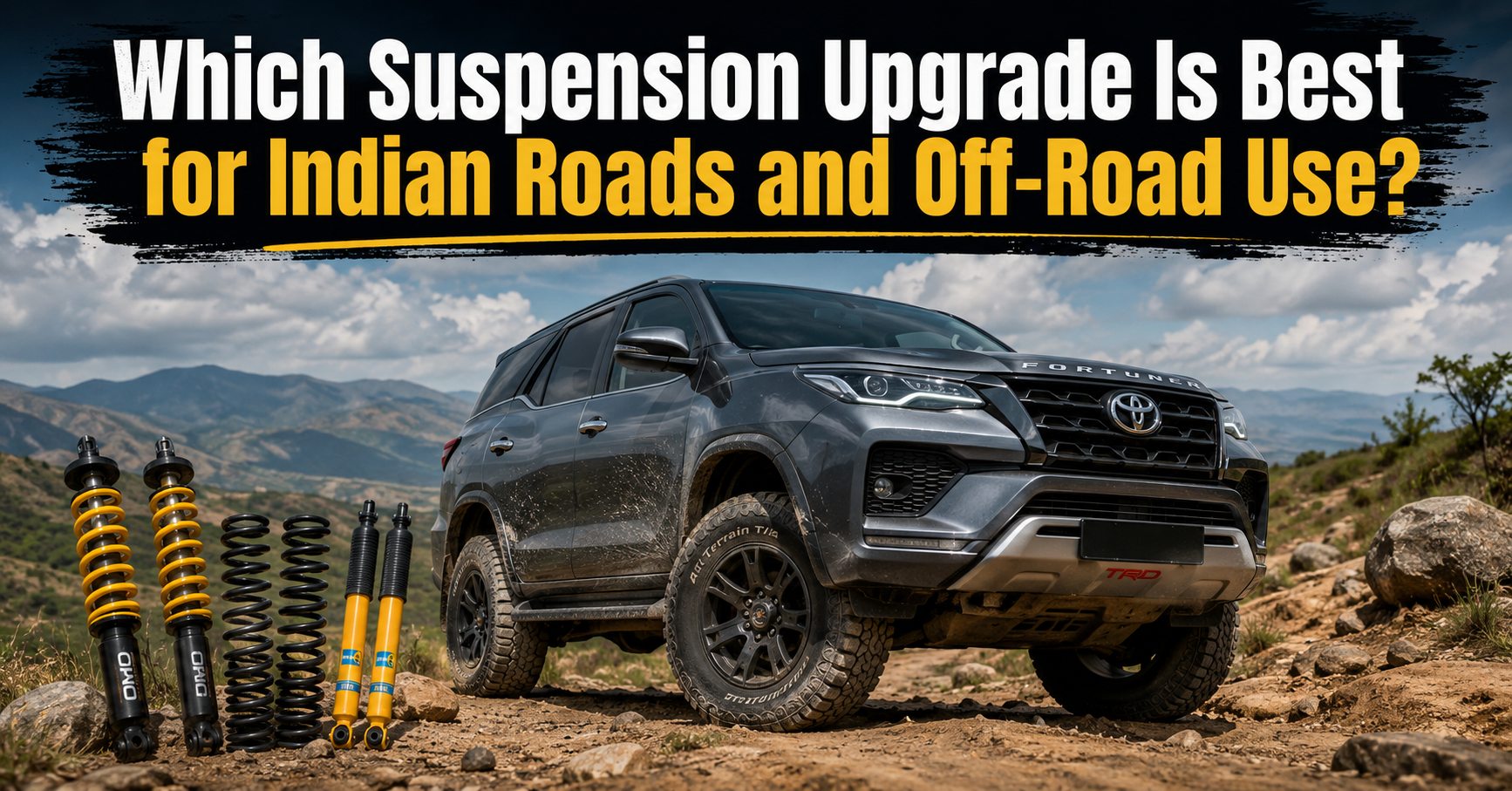
India's road network runs from six-lane expressways to crater-riddled village tracks — sometimes within the same 10-kilometre stretch. Stock suspension tuned for European or Japanese highways begins failing within 40,000 km under Indian conditions, particularly for SUVs and 4x4s used across Bangalore's pothole circuits, Western Ghats forest trails, or Ladakh's high-altitude passes. This guide breaks down which suspension upgrade suits your vehicle, terrain, and load — with specific recommendations for Fortuner, Hilux, Jimny, and Gypsy owners.
Understanding Vehicle Suspension: The Basics
Suspension is the system of springs, shock absorbers, and linkages that connects a vehicle's body to its wheels. It does two jobs: absorbing road impact so the cabin stays controlled, and keeping the tyres in contact with the ground so steering and braking remain responsive.
The three core components work as a system.
Springs — coil or leaf — carry the vehicle's weight and define ride height.
Shock absorbers (dampers) control how quickly the spring compresses and rebounds.
Linkages — control arms, sway bars, track rods — define wheel geometry and movement range.
For Indian roads, the interplay between these three determines whether your vehicle survives a speed breaker at 40 km/h without body roll, or whether it skips across a corrugated forest road without losing traction.
Challenges of Indian Roads and Terrain
Stock suspensions are calibrated for predictable surfaces. Indian roads are not.
Urban conditions: Bangalore's road inventory includes over 3,000 pothole-affected stretches (BBMP road audit data, 2024). Unmarked speed breakers average 12–15 cm in height — well beyond the 8 cm IRC standard. Repeated sharp impacts compress shock absorbers beyond their designed stroke, causing fade and premature wear.
Rural and highway conditions: National Highway sections through Karnataka and Maharashtra alternate between smooth tarmac and corrugated patches. Vehicles carrying loads — farm produce, equipment, camping gear — add 300–500 kg beyond kerb weight, collapsing leaf spring assemblies not spec'd for it.
Off-road terrain: Trails around Coorg, Chikmagalur, and the Nilgiris involve loose laterite soil, embedded rock shelves, and deep water crossings. Ladakh passes like Khardung La and Chang La require high ground clearance and sustained articulation — neither available from stock suspension on most Indian-market SUVs.
Monsoon impact: Waterlogged roads soften the sub-base, making surfaces unpredictable even at low speeds. Stock rubber bushings degrade faster in sustained wet conditions, increasing play in suspension geometry well ahead of their rated service interval.
Why Upgrade Your Suspension?
A suspension upgrade addresses three separate problems — comfort, capability, and load management — and the right kit depends on which problem you're solving.
Comfort and ride quality: Progressive-rate coil springs combined with gas shock absorbers reduce the jarring transfer of road impacts to the cabin. A Fortuner running OME Nitrocharger shocks on Bangalore city roads shows noticeably less driver fatigue on the same daily routes — a consistent observation across Swastik Fabs' installed customer base.
Off-road capability: Ground clearance, wheel articulation, and travel length determine how far a 4x4 can go. A 2-inch lift kit on a Hilux adds approximately 50 mm of ground clearance, enough to clear door-sill-height water crossings common on Coorg trail rides.
Load support: A Hilux running 600 kg of cargo on stock leaf springs sits visibly rear-low, compromising headlight alignment, braking balance, and tyre wear. Upgrading to heavy-duty leaf springs restores correct geometry under load without sacrificing empty-road ride quality when the kit is correctly rated.
Types of Suspension Kits for Indian Roads and Off-Road Use
1. Coil Springs
Coil springs offer a progressive compression rate — they resist more as they compress — which makes them well-suited for mixed-use vehicles. A Fortuner or Gypsy on coil springs handles urban speed breakers with less bottoming-out than leaf setups, while still providing articulation on off-road terrain.
Best for: Toyota Fortuner, Maruti Gypsy, Suzuki Jimny, Mahindra Thar (rear conversion kits)
2. Shock Absorbers (Dampers)
Shock absorbers are the most impactful single-component upgrade for ride quality. Gas-charged monotube shocks like the Bilstein B6 resist fade under repeated compression better than oil-filled twin-tube units. For off-road use, remote-reservoir shocks maintain consistent damping even after sustained rock-crawling or long corrugated sections.
Best for: Any vehicle where ride comfort is the primary complaint. Replacing shocks alone — without changing springs — improves control without altering ride height or insurance classification.
3. Leaf Springs
Leaf springs dominate truck and ute rear suspensions — Hilux, Scorpio, Bolero — because of their load-carrying capacity. Multi-leaf packs are strong but have a fixed spring rate: stiff when empty, correct under load. Parabolic leaf springs offer a better compromise: softer at low load, stiffer as load increases.
Best for: Hilux, Bolero, Scorpio, Thar rear suspension, and vehicles regularly carrying heavy loads across long distances
4. Lift Kits
A lift kit raises ride height by replacing or spacing springs and shock absorbers. A 2-inch lift is the functional ceiling for most Indian-market 4x4s before geometry corrections — alignment, extended brake lines, corrective upper control arms — become mandatory rather than optional.
Best for: Off-road enthusiasts needing ground clearance, overland touring setups, expedition vehicles used on Karnataka and Rajasthan remote trail networks
5. Air Suspension
Adjustable air bags allow the driver to change ride height and load compensation on the fly. Primarily used for rear axles on commercial vehicles or as auxiliary load support on pickup trucks. Rarely used for off-road suspension due to complexity and puncture risk on rocky terrain.
Best for: Long-distance touring setups, vehicles with highly variable load requirements, and premium SUVs with factory air suspension requiring component replacement
Old Man Emu vs Bilstein Suspension: Which Is Better?
Both Old Man Emu (OME) and Bilstein are established performance suspension brands with verified fitment data for Indian-market 4x4s. The right choice depends on use case, not brand preference.
Heavy load + off-road: If your Hilux or Land Cruiser regularly carries 400+ kg — camping gear, agricultural supplies, roof tent setups — OME's spring rate and damper tuning are calibrated for exactly that. Running Bilstein on a heavily loaded Hilux causes premature shock fade and a harsh, tail-low ride.
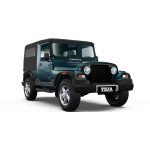
Comfort + daily use: If you drive a Fortuner or Thar primarily on Karnataka highways with occasional forest trail weekends, Bilstein's monotube precision improves daily handling noticeably. The firmer feel is an advantage for road-dominant drivers, not a drawback.
Should You Upgrade Your 4x4 Suspension?
Run through this three-point framework before committing to a kit.
1. Terrain: If 80% or more of your driving is urban and highway, a shock-only upgrade — no lift — delivers the clearest benefit at lowest cost. If you run technical off-road terrain monthly or more, a full lift kit with compatible springs and shocks is justified.
2. Load: Vehicles regularly loaded beyond 60% of rated payload need spring upgrades, not just damper replacements. Springs define what load the suspension can carry; shocks only control how it reacts.
3. Driving style: Aggressive off-road drivers need maximum articulation — remote reservoir shocks and progressive-rate springs. Comfort-oriented drivers on mixed terrain get equal value from quality gas shocks alone, without the regulatory complexity of a lift.
If two or more of these factors point to a full kit, the upgrade is justified. If only one applies, start with shocks and reassess at 20,000 km.
Best Suspension for Off-Road Use in India
Scenario-based picks based on Indian terrain conditions and common 4x4 platforms:
Toyota Fortuner - Best suspension upgrade for Toyota Fortuner : OME 2-inch lift kit (BP-51 shocks + 885/886 coils) for trail-dominant use. Bilstein B6 with stock springs for highway-primary Fortuners with occasional off-road weekends.
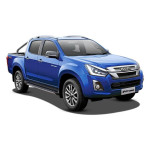
Toyota Hilux — best Hilux suspension upgrade: OME 2-inch lift with heavy-duty rear leaf packs (OME BP-51 or Nitrocharger Sport). The Hilux's rear leaf spring is the primary failure point under Indian load conditions — it's the first component to address regardless of budget.
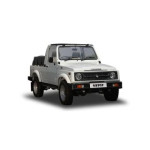
Maruti Gypsy — best suspension for Gypsy: Aftermarket coil springs (ARB-sourced) with KYB Gas-a-Just shocks. The Gypsy's short wheelbase benefits from stiffer anti-roll bar bushings alongside the spring-shock replacement to control body lean in fast corners and switchbacks.
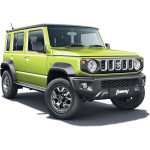
Suzuki Jimny — Old Man Emu suspension for Jimny: OME 40mm lift kit (designed for the JB74 platform) gives the Jimny meaningful articulation improvement for Western Ghats trails without triggering ABS geometry faults on the stock ECU — a common problem with generic lift spacers.
Budget range for full off-road setup: ₹80,000–₹1,80,000 depending on brand and platform, including professional installation and mandatory wheel alignment.
Suspension Lift Kit for Daily Driving — Pros and Cons
Regulatory note: A 2-inch lift on a Fortuner or Thar does not require a registration certificate amendment under CMVR Section 52 if the total height increase remains within 2% of ex-factory vehicle height. Anything beyond that — particularly 3-inch+ lifts — falls into a grey zone that can complicate insurance claims after road accidents. Source: MORTH CMVR guidelines; verify current rules with your RTO before proceeding.
How to Choose the Best Suspension Upgrade
Step 1: Define Your Primary Use
Write down what percentage of your driving is city, highway, and off-road. If off-road is less than 20%, start with shock absorbers only — the improvement is immediate and the compliance risk is zero.
Step 2: Assess Load Requirements
Calculate your typical loaded weight versus your vehicle's rated GVM. If you regularly exceed 70% of GVM, spring upgrades are non-negotiable. Shocks without appropriate springs will fail within 15,000 km under repeated overload conditions.
Step 3: Set a Realistic Budget
• Entry-level gas shock replacement: ₹25,000–₹45,000
• Mid-range lift kit with shocks and springs: ₹80,000–₹1,30,000
• Full expedition setup with skids and UCA corrections: ₹1,50,000–₹2,50,000
Step 4: Confirm Platform Compatibility
Not all kits list Indian-market specifications. A Fortuner sold in India (N80 platform, 2016–2024) has different fitment specs than the Australian-market variant. Always confirm with a Bengaluru-based fabricator who has installed the specific kit on the specific model year — not just a distributor quoting catalogue numbers.
Step 5: Verify Geometry Corrections Required
A lift above 1.5 inches typically requires corrections to caster angle (upper control arm), driveshaft angle (can cause vibration at speed), and brake line length. Skipping these steps causes premature CV joint wear and unpredictable brake feel — both safety-critical issues.
Installation, Maintenance, and Warranty: What You Need to Know
Professional installation matters. A suspension kit installed without a wheel alignment, torque specifications, or proper compression tools can void both the kit warranty and the vehicle manufacturer warranty. Torque values on control arm bolts must be set with the suspension at ride height, not hanging — a step frequently skipped in roadside garages across Bangalore and other metros.
Maintenance checklist (every 10,000 km or annually):
• Inspect shock absorber seals for oil weeping
• Check rubber bushings for cracking or compression set
• Re-torque all suspension fasteners to spec
• Inspect leaf spring U-bolts for movement — re-torque or replace if worn
• Verify wheel alignment angles against post-install baseline
Warranty risk: Installing a lift kit does not automatically void a vehicle manufacturer's warranty, but any claim for suspension component failure on a modified vehicle requires the dealer to prove the modification caused the failure. In practice, most Bangalore-based Toyota and Mahindra dealers decline to cover shock absorbers or CV joints on lifted vehicles. Document your installation with photographs and receipts regardless of claims about 'warranty-safe' kits.
Conclusion: Making the Right Suspension Choice for Indian Terrain
The best suspension upgrade is the one matched to your specific terrain, load, and platform — not the most expensive kit in the catalogue. For most Indian 4x4 owners on mixed urban-off-road use, a quality gas shock replacement on a correctly spec'd spring delivers 80% of the performance improvement at 40% of the cost of a full lift kit. Lift kits earn their place when ground clearance is the genuine limiting factor — not when they're cosmetic additions. Know your terrain, know your load, and verify fitment before any purchase.
Frequently Asked Questions About Suspension Upgrades
What is the best suspension upgrade for Indian roads?
Gas-charged shock absorbers paired with progressive-rate coil or parabolic leaf springs offer the best return for Indian conditions — urban potholes, speed breakers, and mixed highway use. Brands like Old Man Emu and Bilstein have verified fitment for popular Indian 4x4 platforms. A full kit with the correct spring rate consistently outperforms expensive shocks mounted on worn, sagging springs.
Which suspension is best for off-road use in India?
Old Man Emu's 2-inch lift kits are the most widely used aftermarket performance suspension for serious off-road use in India. The BP-51 and Nitrocharger Sport ranges cover Fortuner, Hilux, and Jimny platforms. For trail use in Karnataka and the Western Ghats, pair the lift kit with all-terrain tyres and underbody skid plate protection.
Old Man Emu vs Bilstein — which is better for Indian roads?
OME performs better for heavy-load off-road scenarios; Bilstein leads for on-road comfort and highway responsiveness. A Hilux running regular loads needs OME's spring-rate calibration. A Fortuner used primarily on city roads and occasional weekends benefits more from Bilstein's monotube precision and heat-fade resistance.
Should I upgrade my 4x4 suspension?
Yes, if your vehicle is more than three years old and driven on Indian roads regularly. Stock suspension degrades faster here than in the markets where most 4x4s are factory-calibrated. Visible oil weeping on shocks, excessive body lean in corners, or bottoming-out on standard speed breakers are reliable indicators that replacement is overdue.
Is a suspension lift kit suitable for daily driving in India?
A 2-inch lift is manageable for daily driving if installed with mandatory geometry corrections — wheel alignment, brake line extension, and caster adjustment. Expect a slight reduction in fuel economy of 2–4% and increased tyre wear if alignment is not maintained. Beyond 2 inches, daily driving comfort and legal compliance under CMVR guidelines become significantly more complex.
India's road network runs from six-lane expressways to crater-riddled village tracks — sometimes within the same 10-kilometre stretch. Stock suspension tuned for European or Japanese highways begins failing within 40,000 km under Indian conditions, particularly for SUVs and 4x4s used across Bangalore's pothole circuits, Western Ghats forest trails, or Ladakh's high-altitude passes. This guide breaks down which suspension upgrade suits your vehicle, terrain, and load — with specific recommendations for Fortuner, Hilux, Jimny, and Gypsy owners.
Understanding Vehicle Suspension: The Basics
Suspension is the system of springs, shock absorbers, and linkages that connects a vehicle's body to its wheels. It does two jobs: absorbing road impact so the cabin stays controlled, and keeping the tyres in contact with the ground so steering and braking remain responsive.
The three core components work as a system.
Springs — coil or leaf — carry the vehicle's weight and define ride height.
Shock absorbers (dampers) control how quickly the spring compresses and rebounds.
Linkages — control arms, sway bars, track rods — define wheel geometry and movement range.
For Indian roads, the interplay between these three determines whether your vehicle survives a speed breaker at 40 km/h without body roll, or whether it skips across a corrugated forest road without losing traction.
Challenges of Indian Roads and Terrain
Stock suspensions are calibrated for predictable surfaces. Indian roads are not.
Urban conditions: Bangalore's road inventory includes over 3,000 pothole-affected stretches (BBMP road audit data, 2024). Unmarked speed breakers average 12–15 cm in height — well beyond the 8 cm IRC standard. Repeated sharp impacts compress shock absorbers beyond their designed stroke, causing fade and premature wear.
Rural and highway conditions: National Highway sections through Karnataka and Maharashtra alternate between smooth tarmac and corrugated patches. Vehicles carrying loads — farm produce, equipment, camping gear — add 300–500 kg beyond kerb weight, collapsing leaf spring assemblies not spec'd for it.
Off-road terrain: Trails around Coorg, Chikmagalur, and the Nilgiris involve loose laterite soil, embedded rock shelves, and deep water crossings. Ladakh passes like Khardung La and Chang La require high ground clearance and sustained articulation — neither available from stock suspension on most Indian-market SUVs.
Monsoon impact: Waterlogged roads soften the sub-base, making surfaces unpredictable even at low speeds. Stock rubber bushings degrade faster in sustained wet conditions, increasing play in suspension geometry well ahead of their rated service interval.
Why Upgrade Your Suspension?
A suspension upgrade addresses three separate problems — comfort, capability, and load management — and the right kit depends on which problem you're solving.
Comfort and ride quality: Progressive-rate coil springs combined with gas shock absorbers reduce the jarring transfer of road impacts to the cabin. A Fortuner running OME Nitrocharger shocks on Bangalore city roads shows noticeably less driver fatigue on the same daily routes — a consistent observation across Swastik Fabs' installed customer base.
Off-road capability: Ground clearance, wheel articulation, and travel length determine how far a 4x4 can go. A 2-inch lift kit on a Hilux adds approximately 50 mm of ground clearance, enough to clear door-sill-height water crossings common on Coorg trail rides.
Load support: A Hilux running 600 kg of cargo on stock leaf springs sits visibly rear-low, compromising headlight alignment, braking balance, and tyre wear. Upgrading to heavy-duty leaf springs restores correct geometry under load without sacrificing empty-road ride quality when the kit is correctly rated.
Types of Suspension Kits for Indian Roads and Off-Road Use
1. Coil Springs
Coil springs offer a progressive compression rate — they resist more as they compress — which makes them well-suited for mixed-use vehicles. A Fortuner or Gypsy on coil springs handles urban speed breakers with less bottoming-out than leaf setups, while still providing articulation on off-road terrain.
Best for: Toyota Fortuner, Maruti Gypsy, Suzuki Jimny, Mahindra Thar (rear conversion kits)
2. Shock Absorbers (Dampers)
Shock absorbers are the most impactful single-component upgrade for ride quality. Gas-charged monotube shocks like the Bilstein B6 resist fade under repeated compression better than oil-filled twin-tube units. For off-road use, remote-reservoir shocks maintain consistent damping even after sustained rock-crawling or long corrugated sections.
Best for: Any vehicle where ride comfort is the primary complaint. Replacing shocks alone — without changing springs — improves control without altering ride height or insurance classification.
3. Leaf Springs
Leaf springs dominate truck and ute rear suspensions — Hilux, Scorpio, Bolero — because of their load-carrying capacity. Multi-leaf packs are strong but have a fixed spring rate: stiff when empty, correct under load. Parabolic leaf springs offer a better compromise: softer at low load, stiffer as load increases.
Best for: Hilux, Bolero, Scorpio, Thar rear suspension, and vehicles regularly carrying heavy loads across long distances
4. Lift Kits
A lift kit raises ride height by replacing or spacing springs and shock absorbers. A 2-inch lift is the functional ceiling for most Indian-market 4x4s before geometry corrections — alignment, extended brake lines, corrective upper control arms — become mandatory rather than optional.
Best for: Off-road enthusiasts needing ground clearance, overland touring setups, expedition vehicles used on Karnataka and Rajasthan remote trail networks
5. Air Suspension
Adjustable air bags allow the driver to change ride height and load compensation on the fly. Primarily used for rear axles on commercial vehicles or as auxiliary load support on pickup trucks. Rarely used for off-road suspension due to complexity and puncture risk on rocky terrain.
Best for: Long-distance touring setups, vehicles with highly variable load requirements, and premium SUVs with factory air suspension requiring component replacement
Old Man Emu vs Bilstein Suspension: Which Is Better?
Both Old Man Emu (OME) and Bilstein are established performance suspension brands with verified fitment data for Indian-market 4x4s. The right choice depends on use case, not brand preference.
Heavy load + off-road: If your Hilux or Land Cruiser regularly carries 400+ kg — camping gear, agricultural supplies, roof tent setups — OME's spring rate and damper tuning are calibrated for exactly that. Running Bilstein on a heavily loaded Hilux causes premature shock fade and a harsh, tail-low ride.
Comfort + daily use: If you drive a Fortuner or Thar primarily on Karnataka highways with occasional forest trail weekends, Bilstein's monotube precision improves daily handling noticeably. The firmer feel is an advantage for road-dominant drivers, not a drawback.
Should You Upgrade Your 4x4 Suspension?
Run through this three-point framework before committing to a kit.
1. Terrain: If 80% or more of your driving is urban and highway, a shock-only upgrade — no lift — delivers the clearest benefit at lowest cost. If you run technical off-road terrain monthly or more, a full lift kit with compatible springs and shocks is justified.
2. Load: Vehicles regularly loaded beyond 60% of rated payload need spring upgrades, not just damper replacements. Springs define what load the suspension can carry; shocks only control how it reacts.
3. Driving style: Aggressive off-road drivers need maximum articulation — remote reservoir shocks and progressive-rate springs. Comfort-oriented drivers on mixed terrain get equal value from quality gas shocks alone, without the regulatory complexity of a lift.
If two or more of these factors point to a full kit, the upgrade is justified. If only one applies, start with shocks and reassess at 20,000 km.
Best Suspension for Off-Road Use in India
Scenario-based picks based on Indian terrain conditions and common 4x4 platforms:
Toyota Fortuner - Best suspension upgrade for Toyota Fortuner : OME 2-inch lift kit (BP-51 shocks + 885/886 coils) for trail-dominant use. Bilstein B6 with stock springs for highway-primary Fortuners with occasional off-road weekends.
Toyota Hilux — best Hilux suspension upgrade: OME 2-inch lift with heavy-duty rear leaf packs (OME BP-51 or Nitrocharger Sport). The Hilux's rear leaf spring is the primary failure point under Indian load conditions — it's the first component to address regardless of budget.
Maruti Gypsy — best suspension for Gypsy: Aftermarket coil springs (ARB-sourced) with KYB Gas-a-Just shocks. The Gypsy's short wheelbase benefits from stiffer anti-roll bar bushings alongside the spring-shock replacement to control body lean in fast corners and switchbacks.
Suzuki Jimny — Old Man Emu suspension for Jimny: OME 40mm lift kit (designed for the JB74 platform) gives the Jimny meaningful articulation improvement for Western Ghats trails without triggering ABS geometry faults on the stock ECU — a common problem with generic lift spacers.
Budget range for full off-road setup: ₹80,000–₹1,80,000 depending on brand and platform, including professional installation and mandatory wheel alignment.
Suspension Lift Kit for Daily Driving — Pros and Cons
Regulatory note: A 2-inch lift on a Fortuner or Thar does not require a registration certificate amendment under CMVR Section 52 if the total height increase remains within 2% of ex-factory vehicle height. Anything beyond that — particularly 3-inch+ lifts — falls into a grey zone that can complicate insurance claims after road accidents. Source: MORTH CMVR guidelines; verify current rules with your RTO before proceeding.
How to Choose the Best Suspension Upgrade
Step 1: Define Your Primary Use
Write down what percentage of your driving is city, highway, and off-road. If off-road is less than 20%, start with shock absorbers only — the improvement is immediate and the compliance risk is zero.
Step 2: Assess Load Requirements
Calculate your typical loaded weight versus your vehicle's rated GVM. If you regularly exceed 70% of GVM, spring upgrades are non-negotiable. Shocks without appropriate springs will fail within 15,000 km under repeated overload conditions.
Step 3: Set a Realistic Budget
• Entry-level gas shock replacement: ₹25,000–₹45,000
• Mid-range lift kit with shocks and springs: ₹80,000–₹1,30,000
• Full expedition setup with skids and UCA corrections: ₹1,50,000–₹2,50,000
Step 4: Confirm Platform Compatibility
Not all kits list Indian-market specifications. A Fortuner sold in India (N80 platform, 2016–2024) has different fitment specs than the Australian-market variant. Always confirm with a Bengaluru-based fabricator who has installed the specific kit on the specific model year — not just a distributor quoting catalogue numbers.
Step 5: Verify Geometry Corrections Required
A lift above 1.5 inches typically requires corrections to caster angle (upper control arm), driveshaft angle (can cause vibration at speed), and brake line length. Skipping these steps causes premature CV joint wear and unpredictable brake feel — both safety-critical issues.
Installation, Maintenance, and Warranty: What You Need to Know
Professional installation matters. A suspension kit installed without a wheel alignment, torque specifications, or proper compression tools can void both the kit warranty and the vehicle manufacturer warranty. Torque values on control arm bolts must be set with the suspension at ride height, not hanging — a step frequently skipped in roadside garages across Bangalore and other metros.
Maintenance checklist (every 10,000 km or annually):
• Inspect shock absorber seals for oil weeping
• Check rubber bushings for cracking or compression set
• Re-torque all suspension fasteners to spec
• Inspect leaf spring U-bolts for movement — re-torque or replace if worn
• Verify wheel alignment angles against post-install baseline
Warranty risk: Installing a lift kit does not automatically void a vehicle manufacturer's warranty, but any claim for suspension component failure on a modified vehicle requires the dealer to prove the modification caused the failure. In practice, most Bangalore-based Toyota and Mahindra dealers decline to cover shock absorbers or CV joints on lifted vehicles. Document your installation with photographs and receipts regardless of claims about 'warranty-safe' kits.
Conclusion: Making the Right Suspension Choice for Indian Terrain
The best suspension upgrade is the one matched to your specific terrain, load, and platform — not the most expensive kit in the catalogue. For most Indian 4x4 owners on mixed urban-off-road use, a quality gas shock replacement on a correctly spec'd spring delivers 80% of the performance improvement at 40% of the cost of a full lift kit. Lift kits earn their place when ground clearance is the genuine limiting factor — not when they're cosmetic additions. Know your terrain, know your load, and verify fitment before any purchase.
Frequently Asked Questions About Suspension Upgrades
What is the best suspension upgrade for Indian roads?
Gas-charged shock absorbers paired with progressive-rate coil or parabolic leaf springs offer the best return for Indian conditions — urban potholes, speed breakers, and mixed highway use. Brands like Old Man Emu and Bilstein have verified fitment for popular Indian 4x4 platforms. A full kit with the correct spring rate consistently outperforms expensive shocks mounted on worn, sagging springs.
Which suspension is best for off-road use in India?
Old Man Emu's 2-inch lift kits are the most widely used aftermarket performance suspension for serious off-road use in India. The BP-51 and Nitrocharger Sport ranges cover Fortuner, Hilux, and Jimny platforms. For trail use in Karnataka and the Western Ghats, pair the lift kit with all-terrain tyres and underbody skid plate protection.
Old Man Emu vs Bilstein — which is better for Indian roads?
OME performs better for heavy-load off-road scenarios; Bilstein leads for on-road comfort and highway responsiveness. A Hilux running regular loads needs OME's spring-rate calibration. A Fortuner used primarily on city roads and occasional weekends benefits more from Bilstein's monotube precision and heat-fade resistance.
Should I upgrade my 4x4 suspension?
Yes, if your vehicle is more than three years old and driven on Indian roads regularly. Stock suspension degrades faster here than in the markets where most 4x4s are factory-calibrated. Visible oil weeping on shocks, excessive body lean in corners, or bottoming-out on standard speed breakers are reliable indicators that replacement is overdue.
Is a suspension lift kit suitable for daily driving in India?
A 2-inch lift is manageable for daily driving if installed with mandatory geometry corrections — wheel alignment, brake line extension, and caster adjustment. Expect a slight reduction in fuel economy of 2–4% and increased tyre wear if alignment is not maintained. Beyond 2 inches, daily driving comfort and legal compliance under CMVR guidelines become significantly more complex.
Leave a Comment